

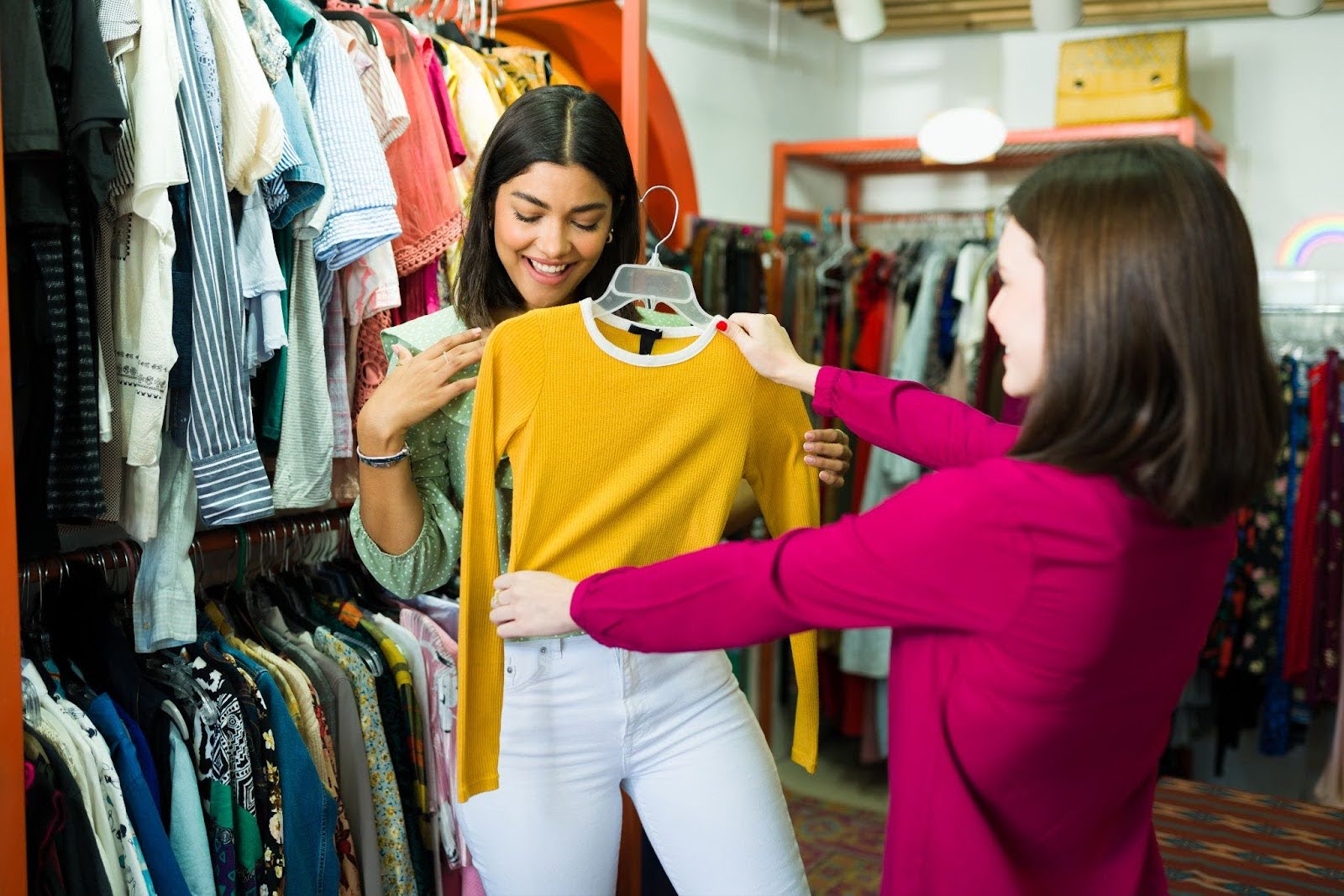
06 Nov What Is a Thrift Store and Why Is Thrifting So Popular?
A thrift store is a retail shop that sells donated, gently used goods at low prices. These stores often carry a wide variety of items, including clothing, furniture, household goods, books, and more. Unlike traditional retailers, thrift stores are usually run by nonprofit organizations like us at Goodwill Industries of Middle Tennessee, where proceeds directly support charitable missions in the community.
For shoppers, the appeal of thrift stores comes from more than just affordability. Thrift shopping offers the chance to find unique treasures at a fraction of the cost, while also promoting sustainability by giving items a second life and reducing waste. Every purchase not only saves money but also helps fund job training, education, and other programs that transform lives.
By blending affordability, variety, and purpose, thrift stores have become a cornerstone of sustainable shopping and community support.
What Is Thrifting?
Many people wonder, What is thrift shopping, and how does it work? At its simplest, thrifting is the practice of shopping for second-hand goods at affordable prices. Instead of purchasing items brand new, shoppers head to thrift stores to discover clothing, furniture, books, kitchenware, and more.
Thrifting Meaning and How It Works
The meaning of thrift shopping goes beyond saving money; it’s about giving pre-owned items a second life. Shoppers can browse racks and shelves for hidden gems, whether that’s a vintage jacket, a unique piece of furniture, or a rare book. Thrifting is often described as rummaging until you find that special item that feels like a personal discovery.
Beyond the excitement of the hunt, every purchase at a store like Goodwill helps fund community programs and keeps usable goods out of landfills, making thrift shopping both impactful and sustainable.
What Does It Mean to ‘Go Thrifting’?
The phrase “going thrifting” has become part of everyday culture, especially for younger generations. It refers to browsing second-hand shops, flea markets, or even garage sales with the hope of finding something unique, stylish, or useful at a great price.
For many, thrifting is great when you’re young and want style on a budget. It allows people to express creativity, try new looks, and decorate their homes without overspending. At the same time, it connects shoppers to a larger movement of sustainability and community support.
What Makes Thrift Stores Different From Regular Stores?
When people first ask what a thrift store is, the easiest way to explain it is by comparing it to a regular retail shop. Thrift stores stand apart in several important ways. Instead of selling brand-new merchandise, they offer pre-owned items donated by community members. This creates an ever-changing inventory that looks different every time you shop, making each visit an adventure.
Unlike traditional stores that carry mass-produced goods, thrift stores are filled with one-of-a-kind finds. A jacket from the 1980s, a handmade dining table, or a rare book could be waiting on the shelf; treasures you simply won’t find in a department store.
The personal, discovery-based experience is what makes thrift shopping so special. Each visit offers the chance to uncover something unique, often at a fraction of the original cost, while supporting charitable programs that strengthen the community.
Why Is Thrifting So Popular?
A Sustainable Way to Shop
Thrifting is more than a shopping trend; it is a sustainable lifestyle choice. By purchasing second-hand goods, shoppers help reduce landfill waste and limit the environmental harm caused by producing new items. This makes thrifting one of the simplest ways to live more eco-consciously.
It also provides an alternative to fast fashion, which often creates cheap, disposable clothing at the expense of workers and the planet. As many say, “Thrifting is the original sustainable fashion movement.”
Affordable and Accessible
Another reason thrifting is so popular is its affordability. Thrift stores allow families and individuals to stick to a budget while still finding quality items. Whether you’re searching for clothes for your kids, furniture for your home, or books for school, second-hand shopping makes it possible to meet needs without overspending.
For those looking to explore the wide variety of finds, Goodwill makes it easy to shop for second-hand treasures across Middle Tennessee.
Creative Expression and DIY Culture
Thrifting also fuels creativity. Many people enjoy using thrift store finds to experiment with personal style, home décor, or crafting projects. From upcycling old furniture to piecing together vintage outfits, thrifting gives shoppers the chance to create something unique and personal.
For DIY enthusiasts, it is the perfect way to combine affordability with imagination, turning everyday items into one-of-a-kind pieces.
Who Shops at Thrift Stores?
Thrift stores attract a wide variety of shoppers, each with their own reasons for browsing second-hand goods:
- Budget-conscious individuals who need affordable clothing, furniture, and essentials
- Vintage lovers searching for rare or retro pieces
- Environmental advocates who value sustainability and reducing waste
- Treasure hunters and hobby thrifters who enjoy the thrill of discovery
Gen Z, in particular, has embraced thrifting as a way to express independence and personal style while staying eco-friendly. For this generation, thrift shopping combines affordability with a commitment to sustainability.
What Can You Find in a Thrift Store?
The variety inside a thrift store is part of the fun. Common categories include apparel, shoes, books, furniture, electronics, home décor, kitchenware, and toys. Because everything is donated, the inventory changes daily; no two visits are ever the same.
Shopping is only one side of the equation. Donating items you no longer need helps keep the cycle going, providing others with affordable options while supporting Goodwill’s mission.
Is Thrift Shopping Just a Trend?
Thrift shopping has surged in popularity thanks to social media platforms where influencers show off their unique second-hand finds. For many new shoppers, the first question is what a thrift store is really about. What was once seen mainly as a necessity has evolved into a lifestyle embraced across all income levels.
For many, thrifting is about more than saving money; it represents creativity, sustainability, and community impact. While fashion fads come and go, the values behind thrifting ensure it is more than a passing trend. It is here to stay.
Can You Thrift Online?
Thrifting isn’t limited to in-person stores anymore. Online marketplaces like eBay, Poshmark, and even Goodwill’s digital platforms make it possible to shop for second-hand goods from anywhere.
The convenience of online thrifting allows shoppers to filter by size, brand, or category, though prices may be slightly higher due to curation and shipping. Still, it extends the reach of thrifting, making unique finds accessible to everyone with an internet connection.
Tips for Successful Thrift Shopping
Start With a Budget
Thrift stores are filled with tempting deals, but without a plan it’s easy to spend more than expected. Decide how much you are comfortable spending before you shop so you can enjoy the hunt without overspending.
Shop Often
Inventory at thrift stores changes every day. Visiting regularly increases your chances of finding unique treasures, whether it’s a vintage jacket, a solid wood table, or a rare book. Frequent trips keep the experience fresh and exciting.
Check Condition Carefully
Because thrift items are second-hand, it’s important to inspect them before purchasing. Check clothing for stains or tears, make sure electronics work, and confirm furniture is sturdy. A quick review helps avoid disappointment later.
Think Creatively: Could You Upcycle It?
One of the joys of thrift shopping is seeing the potential in items. A chair might be refreshed with new fabric, or an old jar could become a stylish planter. With a little creativity, you can transform everyday finds into one-of-a-kind pieces.
Are There Downsides to Thrifting?
While thrifting has many benefits, it is important to acknowledge some of the ethical and practical critiques that come with its growing popularity.
Gentrification of Thrifting
As thrifting has become trendy, more shoppers with disposable income frequent stores in lower-income areas. This can make it harder for local residents, who rely on thrift stores for affordable essentials, to access what they need. Balancing accessibility with popularity is a key concern for many communities.
Limited Size Inclusivity
Thrift stores rely on donations, which means inventory is inconsistent. This often leads to fewer options for plus sizes or non-standard fits, leaving some shoppers frustrated. While creative styling and tailoring can help, limited inclusivity remains a challenge for second-hand retail.
Rising Prices in Some Areas
With demand for thrifted items growing, some stores have introduced curated sections or raised prices. While this helps nonprofits fund their missions, it can reduce the affordability that thrift stores are known for. Shoppers may notice certain categories, like vintage clothing, priced higher than in the past.
Overconsumption—Even Secondhand
Thrift shopping’s low prices can sometimes lead to impulse buying. Filling closets or homes with items just because they are cheap still contributes to clutter and waste. Overconsumption, even secondhand, can undermine sustainability goals.
How to Support the Mission Behind Thrift Stores
Now that we understand what a thrift store is truly about, it’s clear that it represents far more than just a place to find bargains. At Goodwill of Middle Tennessee, our local thrift stores exist to strengthen communities by turning donated items into opportunities that reflect Goodwill’s mission. Proceeds directly support workforce development, job training, and community services that help thousands of people every year.
There are several ways you can be part of this mission:
- Donating: Give gently used items a second life while helping others access affordable goods.
- Volunteering: Share your time and skills to support Goodwill programs and services.
- Exploring job opportunities: Become part of Goodwill’s work through meaningful employment that makes a difference in the community.
By shopping, donating, or volunteering, you’re helping answer the question of what a thrift store is in the most meaningful way: it’s a place where affordable shopping meets community impact. Together, we can make every purchase count.

No Comments