

How to Clean Thrifted Shoes
When you score a great pair of shoes at a thrift store, the first step before slipping them on is making sure they’re properly cleaned. Learning how to clean thrifted shoes is essential for hygiene, extending their lifespan, and keeping your feet healthy. Second-hand shoes can sometimes carry bacteria, fungus, or lingering odors. But with the right steps, you can wear them safely and confidently.
Many people wonder how to clean a thrifted pair of shoes. Or even if you can catch anything from second-hand shoes. The good news is that with simple cleaning methods, you can remove dirt, kill germs, and freshen up everything from sneakers to boots. If you’re unsure how to disinfect used shoes, including running shoes that need extra care, this guide will walk you through the safest ways to sanitize and restore them.
Why You Should Sanitize Used Shoes
Buying second-hand footwear is a smart, sustainable choice, but it’s important to take a few extra steps before wearing them. Pre-worn shoes can sometimes carry bacteria, fungus, or unpleasant odors that thrive in warm, damp environments. Conditions like athlete’s foot or toenail fungus are the most common concerns. That’s why it’s essential to sanitize used shoes before putting them into your daily rotation.
The good news is that when cleaned properly, second-hand shoes are perfectly safe to wear. Thorough cleaning and disinfecting eliminate most germs and make them as wearable as new. The overall risk is low, but being cautious ensures peace of mind. Always wear clean socks, let shoes dry fully after each use, and consider applying a light disinfectant spray every so often to keep them fresh.
By learning how to clean second-hand shoes correctly, you’ll not only protect your feet but also get the most out of your thrifted finds.
Step-by-Step Guide: How to Clean Second-Hand Shoes
When learning how to clean thrifted shoes, it’s important to know that different materials require slightly different care. However, every pair, whether it’s leather boots, suede loafers, or canvas sneakers, benefits from a complete process that includes inspection, cleaning, disinfecting, and drying. Follow these steps to make sure your second-hand shoes are safe, clean, and ready to wear.
1. Disinfect and Sanitize
The very first step in learning how to clean thrifted shoes is to properly disinfect and sanitize them. Pre-owned shoes may carry invisible bacteria, fungus, or lingering odors from their previous owners, and skipping this step can put your feet at risk. Start with a disinfectant spray that is specifically designed for footwear, or use a shoe sanitizer device that relies on UV light to kill germs.
If you prefer a DIY approach, mix rubbing alcohol or hydrogen peroxide with equal parts water in a spray bottle. Lightly mist both the interior and exterior of the shoes, paying special attention to areas where your feet make direct contact, like the insoles and heel. Allow the shoes to air dry in a ventilated space for at least a few hours so the solution can fully take effect.
For added protection, sprinkle baking soda inside the shoes overnight to neutralize odors and absorb moisture. You can also add a few drops of tea tree oil, which is known for its natural antifungal and antibacterial properties. Taking the time to learn how to sanitize used shoes not only keeps your footwear fresh but also gives you confidence that your thrifted find is safe to wear.
2. Remove Loose Dirt and Debris
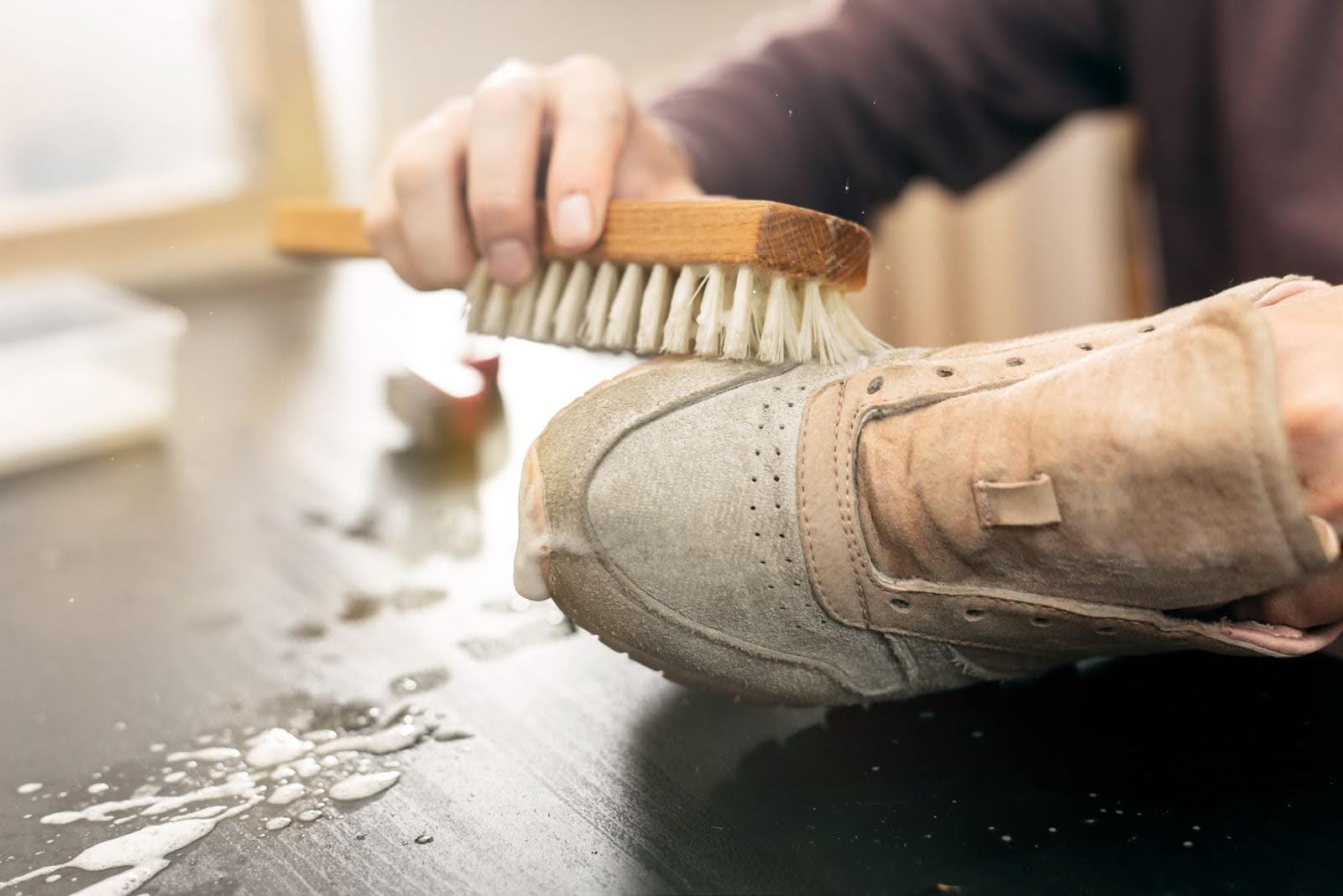
Once your shoes are sanitized, the next step in how to clean second-hand shoes is tackling visible dirt. Start by using a soft-bristled brush to scrub the uppers, seams, and soles, loosening dust and dried mud. For tougher spots, wipe with a cloth and mild soap solution, or use a leather cleaner for delicate materials.
Don’t forget the laces: remove them, wash in warm soapy water, and let them air dry. If they’re too stained or worn, replacing them can instantly make your shoes look fresher. Cleaning away this surface grime gives your thrifted shoes a sharper look and sets the stage for deeper material-specific care.
3. Clean Specific Shoe Materials
Every material requires slightly different care, so it’s important to match your cleaning method to the type of shoe:
- Suede: Gently brush in one direction with a suede brush or dry towel to lift dirt without damaging the nap. For surface stains, a suede eraser works well, or you can lightly dab vinegar on a cloth for tougher marks. Always let suede dry naturally before brushing again to restore texture.
- Leather: Wipe with a damp cloth and mild soap solution to remove dirt, then allow the shoes to dry completely. Once dry, apply a leather conditioner to keep the surface soft and flexible, preventing cracks and extending the life of the shoes.
- Canvas or Mesh: Mix baking soda with mild detergent for a gentle scrub that reaches deep into fibers. Hand washing is safest, but if the shoes are sturdy, place them in a mesh bag and use a delicate machine wash. Always air dry to prevent shrinkage or warping.
- White Shoes: Use a Magic Eraser on rubber edges and scuffs for quick touch-ups. For deeper stains or yellowing, a diluted bleach spray can help brighten the surface and restore color, but test a small area first to avoid over-bleaching.
4. Use Specialized Tools
Using the right tools can take your shoe cleaning routine from basic to professional. Magic Erasers are one of the most effective options for scrubbing away scuffs and stains on rubber soles, instantly refreshing the look of sneakers and casual shoes. For suede, a dedicated suede brush or eraser is essential, since the material is delicate and needs gentle treatment to maintain its texture. An old toothbrush can also be a surprisingly powerful tool, helping you clean out dirt stuck in seams, stitching, and tight corners.
Beyond household items, there are also cleaners made specifically for different shoe materials such as leather, canvas, or athletic shoes. These products are formulated to clean more thoroughly and safely than multipurpose solutions. While not always necessary, they can help extend the life of your shoes, especially for valuable finds. Investing in a few specialized tools ensures that your thrifted shoes look and feel their best.
5. Clean and Deodorize the Inside
The interior of the shoe is often overlooked, but it’s where bacteria and odor can linger the most. Start by removing the insoles, if possible, and washing them with warm, soapy water before letting them air dry completely. This step helps eliminate sweat buildup and dirt that accumulates over time. If the insoles cannot be removed, sprinkle baking soda inside the shoes and leave it overnight to absorb odor and moisture.
For a deeper clean, consider using natural disinfectants such as tea tree oil or lavender oil, which not only fight bacteria but also leave a pleasant scent. A light mist of disinfectant spray can also help maintain freshness between wears. Paying attention to the inside of the shoe ensures your thrifted shoes are not only clean but also comfortable and safe to wear daily.
Drying Your Shoes Properly
After you sanitize used shoes or finish washing them, the drying process is just as important as the cleaning. Drying shoes incorrectly can damage the materials or trap moisture that leads to odor and bacteria.
Never put second-hand shoes in a dryer or leave them in direct sunlight. Excessive heat can warp the soles, weaken glue, or fade fabrics and leather. Instead, place your shoes in a well-ventilated, shaded area where air can circulate naturally.
To help shoes maintain their shape while drying, stuff them with clean paper towels, newspaper, or use shoe trees. This prevents shrinking and helps absorb excess moisture from the inside. For best results, let shoes dry for at least 24 hours before wearing or storing them. This ensures all moisture is gone, keeping your freshly cleaned thrifted shoes safe and comfortable.
Are Thrifted Shoes Safe to Wear?
Many people wonder if it is really safe to wear second-hand shoes. The answer is yes; thrifted shoes are safe to wear as long as they are cleaned, disinfected, and dried properly. Following a full process of sanitizing, scrubbing, and deodorizing removes dirt, bacteria, and fungi that could otherwise cause irritation or odor.
To stay extra safe, always wear clean socks when trying on or wearing thrifted shoes, and consider using a disinfectant spray or deodorizer every few weeks for ongoing protection. When you know how to disinfect used shoes the right way, you can enjoy affordable, stylish, and sustainable footwear without worry.
Goodwill Middle TN: Supporting Sustainable Style
When you learn how to clean thrifted shoes and shop second-hand, you’re doing more than saving money; you’re making a sustainable choice that reduces waste and extends the life of quality items. Every purchase keeps usable goods out of landfills and supports a cycle of giving that benefits the entire community.
At Goodwill Middle TN, our thrift stores provide more than affordable finds. They fuel workforce development, career training, and community programs that help individuals and families build brighter futures. We also create pathways for meaningful work through exploring job opportunities, while our mission continues to thrive thanks to those who support us through donating and volunteering.
By shopping with us, you’re not only stepping into sustainable style, you’re stepping into a movement that uplifts lives across Middle Tennessee.

No Comments