

24 Nov How to Thrift Furniture Like a Pro
Furniture thrifting has become one of the most popular ways to decorate sustainably and affordably. More people are realizing that high-quality furniture doesn’t have to come with a high price tag. By shopping second-hand, we can save money, reduce waste, and find one-of-a-kind pieces that tell a story.
At Goodwill Industries of Middle Tennessee, we make it easy to thrift furniture that fits your home and your budget. Whether you’re looking for a vintage accent chair, a sturdy dining table, or something you can refinish into your own creation, our stores and online listings are full of possibilities.
In this resource, we’ll share our best tips for thrift shopping for furniture, including how to spot quality pieces, what to avoid, and how to bring your finds back to life. You’ll learn how to shop for second-hand treasures with confidence and creativity, all while supporting our mission to create jobs and strengthen communities across Middle Tennessee.
Why Thrift Furniture?
Choosing to buy second-hand furniture is one of the most practical and impactful decisions you can make for your home and the environment. When you thrift furniture, you’re not just saving money; you’re giving quality items a second life and helping reduce waste that would otherwise end up in landfills.
Here are some of the top reasons to consider furniture thrifting:
- Saves money: Second-hand pieces typically cost far less than new furniture, helping you decorate beautifully without overspending.
- Reduces waste: Buying used prevents perfectly good items from being discarded and supports sustainable living.
- Encourages creativity: Each find is unique, allowing you to express your personal style and bring one-of-a-kind charm to your space.
- Delivers lasting quality: Many thrifted items are made from solid wood and built to last longer than modern fast furniture.
- Supports communities: Thrift shopping provides affordable options for families in areas affected by rising living costs and high unemployment. (See recent unemployment data for context.)
When you shop for second-hand treasures, you can discover high-quality furniture that’s affordable, full of character, and ready to become part of your home’s story.
Where to Find Thrifted Furniture
Thrift Stores
Thrift stores remain one of the best sources for affordable, high-quality finds. Learning how to thrift furniture effectively starts with knowing where and when to shop. Locations like Goodwill, Salvation Army, and other local nonprofits restock daily, meaning inventory changes quickly. Visiting regularly (especially early in the day or at the start of the week) can help you catch the newest arrivals before they’re gone.
Try creating a “store circuit” by mapping out several nearby thrift stores and visiting them in rotation. This increases your chances of finding furniture that fits your space and style, while giving you a better sense of which locations receive the types of pieces you like most.
Online Marketplaces
If you prefer to browse from home, online platforms offer endless opportunities to thrift furniture. Popular platforms allow you to search locally and filter results by price, location, or item type.
When buying online, always double-check photos, measurements, and seller ratings. Communicate clearly before meeting in person, and bring help if you’ll need assistance lifting heavier pieces.
Estate Sales and Garage Sales
Estate and garage sales can be treasure troves for furniture from thrift stores and private sellers alike. Estate websites, local newspapers, and community bulletin boards often post listings in advance. Aim to arrive early for the best selection or return later in the day to negotiate better prices.
Bring cash, a measuring tape, and a vehicle large enough to transport what you buy. These sales often include sturdy, well-kept pieces that have been cared for over many years.
Free or Curbside Finds
Some of the most surprising discoveries come at no cost at all. Keep an eye out for curb alerts posted on neighborhood apps and social media groups. Many people give away perfectly usable items during moves or home clean outs.
When picking up curbside finds, inspect each item carefully for damage, pests, or structural issues before bringing it inside. With a little cleaning or minor repairs, free furniture can quickly become a standout piece in your home.
How to Thrift Furniture Successfully
1. Start With a Plan
Before you head out, know exactly what you’re looking for. Shopping without a plan can lead to impulse buys that don’t fit your space or needs. Learning how to thrift furniture starts with preparation and purpose; knowing what you want and what will work in your home.
- Identify the furniture pieces you want most, like a desk, dresser, or dining table.
- Measure your space ahead of time so you know what will fit.
- Bring a tape measure, notebook, and reference photos of your room to guide your search.
Being prepared makes it easier to stay focused, save time, and avoid overbuying.
2. Know What to Look For
Quality materials and craftsmanship are what make second-hand furniture such a great investment. Keep an eye out for:
- Solid wood construction rather than particleboard or veneer.
- Comfort and stability, especially for chairs and sofas; sit down and test them.
- Stamps, maker’s marks, or brand tags that can indicate authenticity and higher value.
- Distinct design elements that make the piece unique or match your home’s aesthetic.
Well-made thrifted furniture often outlasts new, mass-produced alternatives, making it a smart and sustainable choice.
3. Inspect Before Buying
Always inspect items closely before purchasing. Some wear and tear adds character, but structural damage or sanitation issues can become costly to fix.
- Look for cracks, wobbling, or loose joints in wood furniture.
- Check drawers and hinges to ensure they open and close smoothly.
- For upholstered pieces, inspect seams, lift cushions, and look underneath for signs of mold or pests.
- Avoid items with a strong odor or stains that seem embedded.
When buying used furniture, it’s perfectly safe as long as you take the right precautions. Disinfect hard surfaces, vacuum or steam-clean fabric, and give pieces time to air out before bringing them into your home.
4. Ask the Right Questions
When buying from individual sellers or through online listings, don’t hesitate to ask for details. A few simple questions can help you assess condition, value, and history:
- Why are you selling this piece?
- Has it been exposed to pets, smoke, or moisture?
- When and where was it originally purchased?
These questions not only protect you from potential issues but also help uncover hidden gems with interesting stories behind them.
What to Avoid When Thrifting Furniture
Even experienced thrifters make mistakes that can lead to regret later. Understanding how to thrift furniture the right way means knowing what not to do. Keeping these common pitfalls in mind will help you make smarter decisions and ensure each purchase adds real value to your home.
- Don’t skip the inspection. Always check furniture thoroughly for damage, pests, or smells before buying.
- Don’t overestimate your DIY ability. Simple fixes like tightening screws are fine, but full upholstery or structural repairs can cost more than the piece is worth.
- Don’t shop only on weekends. Inventory moves fast, and weekday mornings often offer the best selection.
- Don’t walk away from something you love. Quality thrifted pieces can sell quickly, so trust your instincts and decide on the spot if it’s the right fit.
- Don’t let a “good deal” clutter your space. Buy only what you need and have room for, so your home stays organized and intentional.
Can You Clean and Sanitize Thrifted Furniture?
Yes, Here’s How:
- Wipe all hard surfaces with disinfectant or a mix of warm water and mild soap.
- Use fabric-safe disinfectant sprays or steam cleaners for upholstery.
- Remove and wash cushions, slipcovers, and removable fabrics in hot water when possible.
- Air out furniture for at least 24 hours before bringing it inside to remove odors and moisture.
Proper cleaning not only ensures safety but also restores beauty and freshness, helping your thrifted furniture feel brand-new again.
How to Get Rid of High-End Furniture
If you have quality furniture you no longer need, there are responsible and rewarding ways to give it a second life.
- If it’s still in good condition, donate it to Goodwill Industries of Middle Tennessee to help others furnish their homes affordably.
- Sell gently used pieces through online marketplaces or host a garage sale.
- Try upcycling if an item needs only minor repairs or a creative refresh.
- If it’s completely broken or beyond repair, contact your local waste management service to schedule bulk trash pickup or rent a small roll-off dumpster.
Rehoming or recycling furniture keeps it out of landfills and helps others in your community access affordable, high-quality pieces.
Creative Tips to Upcycle or Refresh Thrifted Furniture
Painting and Refinishing
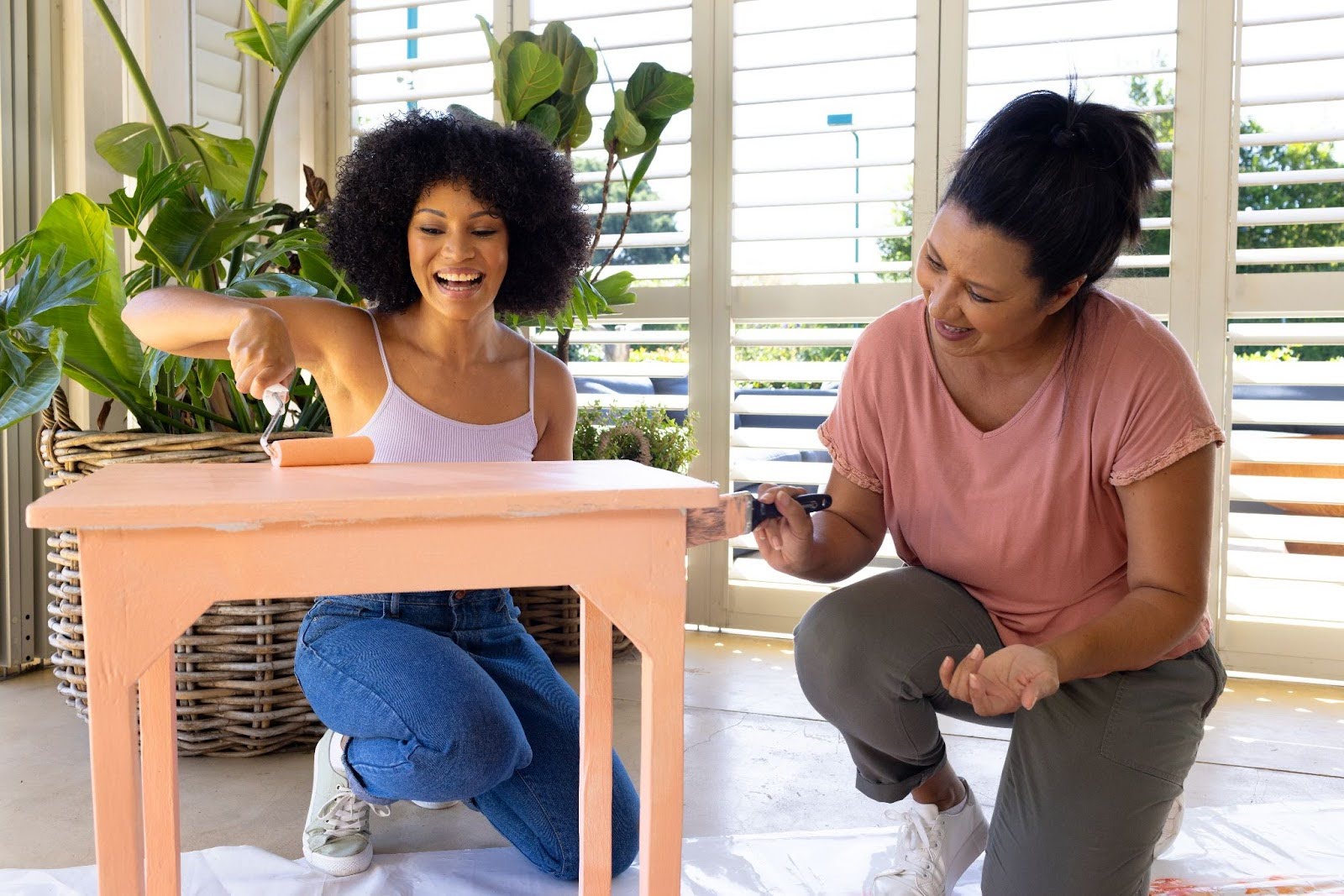
A fresh coat of paint or stain can completely change the look of thrifted wood furniture.
- Lightly sand surfaces to remove old finishes or imperfections.
- Use primer before painting for smoother coverage and longer-lasting results.
- Experiment with bold colors or two-tone designs for a modern touch.
- Finish with a clear sealant to protect against scratches and wear.
Painting and refinishing not only restore beauty but also add a personal touch that makes your furniture stand out.
Hardware Swaps
Replacing old knobs, handles, or drawer pulls is an easy way to update any piece.
- Choose hardware that matches your home’s decor style: modern, vintage, or rustic.
- Mix metals or shapes for added character.
- Measure screw spacing before buying replacements to ensure a proper fit.
This simple change can make even the most dated piece feel brand new.
Upholstery and Fabric Upgrades
If a chair or sofa has good bones but tired fabric, a quick upholstery refresh can make all the difference.
- Replace seat cushions or cover them with new fabric using a staple gun.
- Add throw blankets or decorative pillows for an instant update.
- Leave full reupholstery projects with springs or complex stitching to professionals.
Fresh fabric can revive a well-made piece and give it years of new life.
DIY Décor Enhancements
Small design touches can elevate thrifted furniture from simple to stunning.
- Apply contact paper, shelf liners, or wallpaper to drawers or tabletops for a decorative finish.
- Try decoupage with old maps, sheet music, or photos for a personalized look.
- Use stencils and painter’s tape to add patterns or borders.
These quick upgrades are inexpensive, fun to do, and help you express your creativity while reducing waste through upcycling.
Goodwill Industries of Middle Tennessee: Your Partner in Sustainable Living
When you choose to thrift furniture, you’re doing more than finding affordable home décor; you’re supporting a sustainable cycle that benefits people and the planet. Each purchase and donation supports local job training, employment services, and educational opportunities that help individuals build skills and strengthen communities throughout Middle Tennessee.
At Goodwill Industries of Middle Tennessee, our mission is to change lives through education, training, and employment. We provide a variety of training programs and learning opportunities designed to help people gain skills, earn credentials, and build lasting careers.
Your support also helps sustain these programs and other community services that make a measurable impact each year. To learn more, view our latest community impact report.
If you’d like to get even more involved, consider volunteering, donating, or exploring employment opportunities with us. Together, we can create a stronger, more sustainable way of living, one piece of furniture at a time.

No Comments