

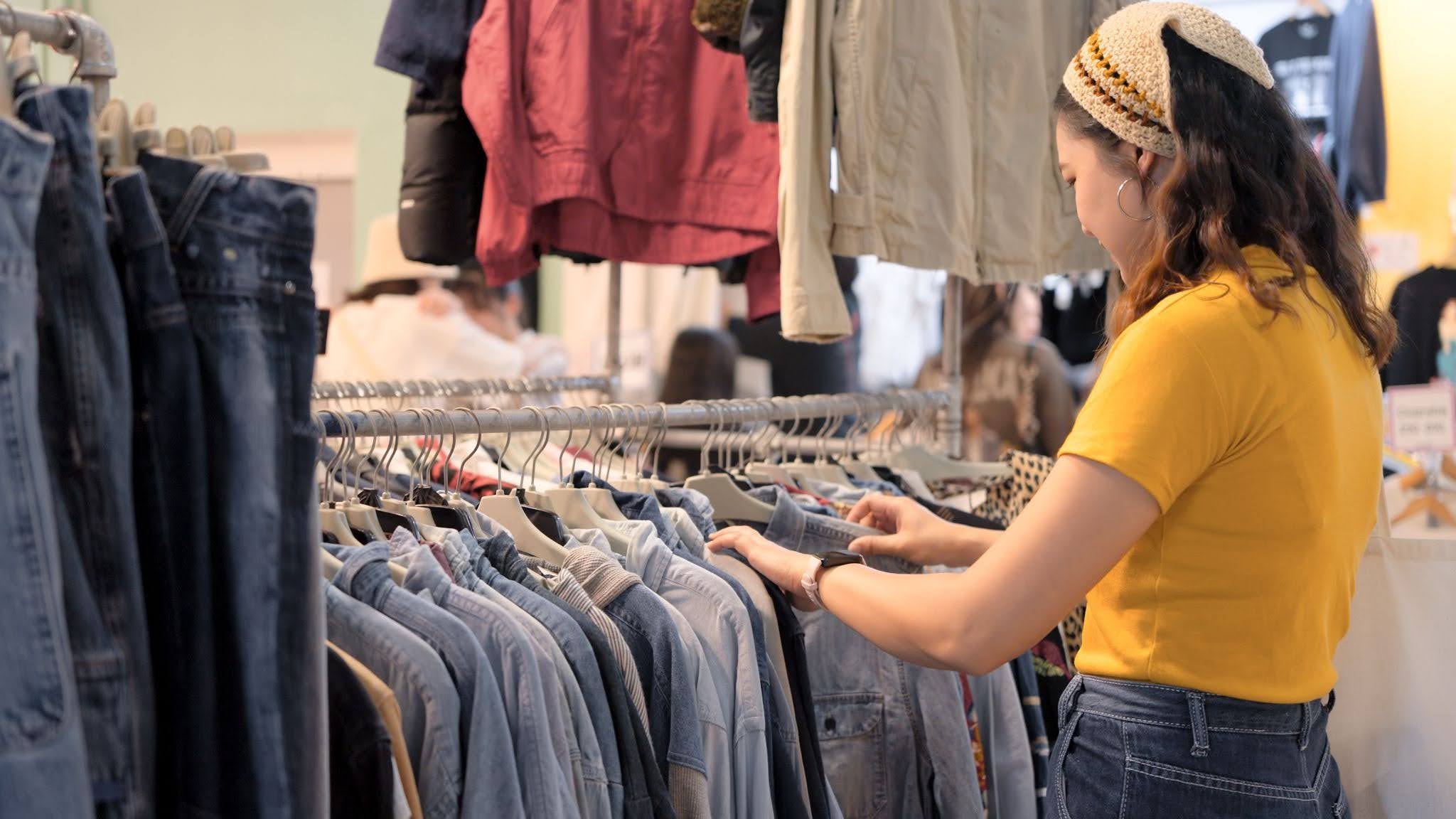
How to Thrift Shop for Clothes
When you learn how to thrift shop, you can build a wardrobe that is affordable, unique, and more sustainable. Unlike traditional retail, thrift stores offer constantly changing inventory, which means shoppers need a general plan while staying open to unexpected finds. With the right approach, it becomes easier to spot quality pieces and avoid overwhelm.
When you thrift, you can build a wardrobe that is affordable, unique, and more sustainable. Instead of relying on fast fashion, you can find well-made items and extend the life of clothing already in circulation.
Keep an open mind when you shop. You may not always find exactly what you’re looking for, but you can discover great pieces along the way.
At Goodwill Middle Tennessee, shoppers can explore a wide selection of secondhand clothing while supporting job training and community programs. We invite you to shop with us to discover quality pieces that make a difference.
In this guide, we’ll cover essential thrift shopping tips and how to thrift clothes more effectively before, during, and after your visit.
Before You Go Thrift Shopping
Preparing before you go thrift shopping can make your visit easier and more successful. A simple plan helps you stay focused and avoid impulse purchases. Without preparation, the experience can feel overwhelming, especially since inventory is constantly changing and items are not organized like traditional retail.
That said, thrifting is not about following a strict list. The most successful shoppers balance preparation with flexibility. Having a general idea of what you need keeps you intentional, while staying open-minded allows you to take advantage of unexpected finds that fit your style or fill a gap in your wardrobe.
Know Your Style and Needs
Before heading out, take a few minutes to think about what you actually need. Instead of creating a rigid list, focus on general goals, such as finding a quality jacket, upgrading everyday basics, or adding a few versatile pieces to your wardrobe. This approach makes it easier to adapt to what you find while still staying aligned with your needs.
Understanding your personal style also helps narrow your search. If you gravitate toward certain colors, fits, or fabrics, keep those in mind while browsing. This makes it easier to filter through racks quickly and recognize pieces that will work for you.
Sizing can vary widely in thrift stores due to different brands, eras, and wear over time. Knowing your basic measurements, such as waist, inseam, and chest, can save time and help you evaluate items more accurately. This is especially helpful when fitting rooms are limited or unavailable.
If you are new to secondhand shopping, taking time to learn how to thrift can build confidence before your first few visits. The more familiar you become with quality indicators and store layouts, the easier the process becomes.
Dress Smart and Come Prepared
What you wear to the store can impact your experience. Comfortable clothing and easy-to-remove shoes make it simpler to try items on quickly, especially if fitting rooms are busy or unavailable. Wearing neutral, fitted layers can also help you better gauge how new pieces will look and fit.
It is also helpful to bring a few small essentials. Hand sanitizer can be useful when handling a large number of items, and reusable bags make it easier to carry your finds. Being prepared helps you stay focused and comfortable throughout your visit.
Some thrift stores may prefer cash, and even when they accept cards, using cash can be a helpful strategy. Setting a cash budget before you shop is one of the most practical thrift shopping tips for avoiding impulse purchases and staying intentional.
By preparing ahead of time, you set yourself up for a more efficient and rewarding experience when learning how to thrift clothes.
Know the Exchange Policy Before You Buy
Before checking out, it helps to know the store’s exchange policy so there are no surprises later. At Goodwill Middle Tennessee, merchandise with tags attached and the original receipt may be exchanged within 3 days for store credit or an exchange. Trying items on beforehand, or using the fitting tips above, can help you avoid needing an exchange at all, but it’s good to know the option is there.
While You’re Thrift Shopping
Successful thrifting is less about luck and more about how you move through the store. When learning how to thrift shop for clothes, it helps to stay patient, scan with intention, and avoid trying to look at everything at once. Thrift stores are full of variety, so having a system makes the experience more efficient and less overwhelming.
Scan Strategically Instead of Browsing Everything
Instead of looking at every single item, train your eye to scan for colors, fabrics, and styles that stand out. This is one of the most effective thrift shopping tips because it allows you to move quickly while still spotting high-potential pieces.
Start by focusing on visual cues. Look for materials like denim, wool, or leather, or colors and patterns that match your style. You can also scan for brand tags or higher-quality textures that catch your attention right away. This helps you filter through racks efficiently without feeling overwhelmed by volume.
Over time, this approach becomes second nature. When learning how to thrift clothes, scanning is a skill that improves with practice, helping you quickly identify which items deserve a closer look and which ones to skip.
Check Every Section Creatively
Some of the best thrift shopping ideas come from exploring beyond your usual sections. Check the men’s department for oversized fits, structured pieces, or vintage styles that may not appear elsewhere. Do not limit yourself to one category or traditional sizing labels.
You can also explore sections like activewear, sleepwear, or even formalwear for unexpected finds. Many versatile pieces are often placed in categories shoppers overlook, which means less competition for quality items.
Browsing off-season racks can also lead to better finds. Winter coats in summer or lightweight pieces in colder months are often less picked over and more affordable. Thinking ahead allows you to build a stronger wardrobe over time.
As you build your routine, learning how to find the best thrift stores near you can help identify locations with better organization, stronger inventory, and more consistent restocking.
Inspect Items Carefully
Knowing what to look for when thrifting clothes is essential to avoiding poor-quality purchases. Take a closer look at each item before adding it to your cart, checking for stains, holes, stretched fabric, or missing buttons.
Pay close attention to high-wear areas like cuffs, collars, and underarms. These spots tend to show damage first and are often harder to repair or clean. Taking a few extra seconds to inspect each item can save you money and prevent disappointment later.
If you want a deeper breakdown of quality indicators, explore our guide on what to look for when thrifting for more detailed examples.
Check Fabric and Construction Quality
Fabric and construction often determine how long a piece will last. Feeling the material is one of the fastest ways to assess quality. Heavier fabrics or tightly woven materials typically hold up better over time.
Examine seams, zippers, and lining for signs of durability. Strong stitching, reinforced seams, and smooth-functioning hardware are good indicators that a garment was made to last. Poor construction, such as loose threads or uneven seams, can signal a shorter lifespan.
Natural fibers like cotton, wool, and linen are often more breathable, durable, and easier to maintain than many synthetic blends. While synthetics can still be useful, prioritizing higher-quality materials helps you build a wardrobe that lasts longer.
Try Items On When Possible
Whenever fitting rooms are available, take advantage of them. Trying items on is the most reliable way to evaluate fit, comfort, and overall appearance, especially since sizing can vary widely across brands and eras.
Pay attention not just to size, but to how the item moves and feels. Check shoulder seams, sleeve length, and overall proportion to make sure the piece works with your body and style.
If fitting rooms are not available, use simple techniques to estimate fit. Hold items up to your body, compare them to what you are wearing, or use quick sizing methods like measuring against your waist or shoulders. These small adjustments make it easier to confidently thrift shop for clothes without relying on size tags alone.
Thrift Shopping Tips for Finding Better Deals
Finding great deals while learning how to thrift shop often comes down to timing and awareness. While quality matters, knowing when to shop and how stores manage inventory can significantly improve your results. These thrift shopping tips help you approach each visit with a strategy that increases both savings and selection.
Shop on Weekdays for Fewer Crowds
Shopping on weekdays is one of the most reliable ways to improve your thrift experience. Stores are typically less crowded, which makes it easier to move through racks, inspect items carefully, and take your time without feeling rushed. This calmer environment is especially helpful when you are still learning how to thrift clothes and want to build confidence in spotting quality pieces.
Weekdays also often align with restocking patterns. Many thrift stores receive a high volume of donations over the weekend, which are then sorted and placed on the sales floor early in the week. This means weekday shoppers may have better access to freshly stocked items before they are picked over.
Understanding these patterns can help you find better deals and a wider selection. For a deeper breakdown of timing strategies, explore our guide on the best days to thrift to plan your visits more effectively.
Learn Store Discount Systems
Many thrift stores use rotating discount systems that can significantly increase your savings if you know how they work. Color tag systems are common, where specific tag colors are discounted on certain days of the week. These promotions can offer substantial price reductions on items that are still in great condition.
Taking time to learn these systems is one of the most practical tips for thrifting clothes to maximize value. Ask store staff about current discount schedules, sale days, and how often promotions change. Some stores also have regular markdown cycles tied to inventory turnover.
By understanding both pricing patterns and restocking routines, you can combine timing with strategy. This approach helps you get the most value out of each trip while improving your overall approach to thrift shopping for clothes.
After You Thrift Shop for Clothes
What you do after your trip matters. Taking a few extra steps can help your items last longer and maintain their quality over time.
Clean and Refresh Thrifted Clothing
Before wearing any item, it is important to clean and refresh it. Washing removes odors, dust, and any residue from previous use. This step is essential for maintaining hygiene and preserving fabric quality.
Following the right cleaning methods also helps protect your items over time. Learning how to care for thrifted clothing ensures that different fabrics are handled properly and maintain their shape and durability. For specialty pieces, such as leather jackets, using the correct approach is especially important and helps preserve both appearance and longevity.
Tailor and Repair When Needed
Small adjustments can make a big difference in how thrifted clothing fits and feels. Simple tailoring, such as hemming pants, taking in seams, or adjusting sleeves, can transform a good item into a perfect fit.
Basic repairs also help extend the life of your clothing. Reattaching buttons, fixing loose stitching, or reinforcing worn areas prevents further damage and keeps items wearable for longer. These small efforts are a key part of how to thrift clothes responsibly while getting the most value from each find.
Build a Sustainable Wardrobe Through Thrifting
Learning how to thrift shop is one of the most practical ways to support sustainable shopping. By choosing secondhand items, you help reduce demand for new production and keep usable clothing out of landfills. This approach extends the life of garments and makes better use of the resources already invested in them.
Thrifting also encourages a more thoughtful relationship with clothing. Instead of buying frequently and discarding quickly, shoppers begin to focus on quality, versatility, and long-term use. Over time, this shift helps build a wardrobe that is both functional and more sustainable.
Rather than being a short-term trend, thrifting can become a long-term habit. As you continue to learn how to thrift clothes, you develop a stronger understanding of materials, fit, and care. This leads to better purchasing decisions and less unnecessary consumption.
For a deeper look at how secondhand shopping connects to broader environmental impact, you can explore what sustainable fashion really means. You can also learn more about sustainable shopping practices and how small, consistent choices contribute to reducing waste over time.
Make Thrift Shopping Fun and Consistent
One of the best ways to improve your results when learning how to thrift shop for clothes is to shop consistently. Thrift store inventory changes daily, which means every visit offers something new. Instead of relying on occasional, long trips, making shorter and more frequent visits can increase your chances of finding high-quality pieces before they are picked over.
Consistency also helps you build confidence. The more often you thrift, the better you become at scanning racks, recognizing quality fabrics, and identifying items that fit your style. Over time, what once felt overwhelming becomes more intuitive, making the entire experience more efficient and enjoyable.
Thrifting does not have to feel like a task. Turning it into an engaging experience can make each visit more rewarding. Exploring different sections, trying new styles, and staying open to unexpected finds adds a sense of creativity and discovery. Many shoppers find that the process itself becomes just as enjoyable as the items they bring home.
For a more structured and interactive approach, consider trying a thrift store scavenger hunt. This can help you stay focused while also encouraging you to explore categories you might normally overlook. It is a simple way to make thrifting more intentional while keeping the experience fun.
By shopping regularly and approaching each visit with curiosity, you can turn thrifting into a consistent habit that supports both your personal style and sustainable shopping goals.
Thrifting With Purpose at Goodwill Middle Tennessee
Learning how to thrift shop for clothes is not just about finding great deals. It is also a way to support something bigger. At Goodwill, every purchase helps fund programs that create real opportunities across our community.
When you thrift with us, you support local job training, career development, and employment services that help individuals build skills and move toward long-term stability. Thrifting becomes more than a shopping habit. It becomes a way to support real, lasting impact in your community.
If you want to take the next step, we encourage you to explore current job openings or learn more about our training programs. Whether you shop, work, or get involved, you are helping strengthen our community through thrifting with purpose.

No Comments