

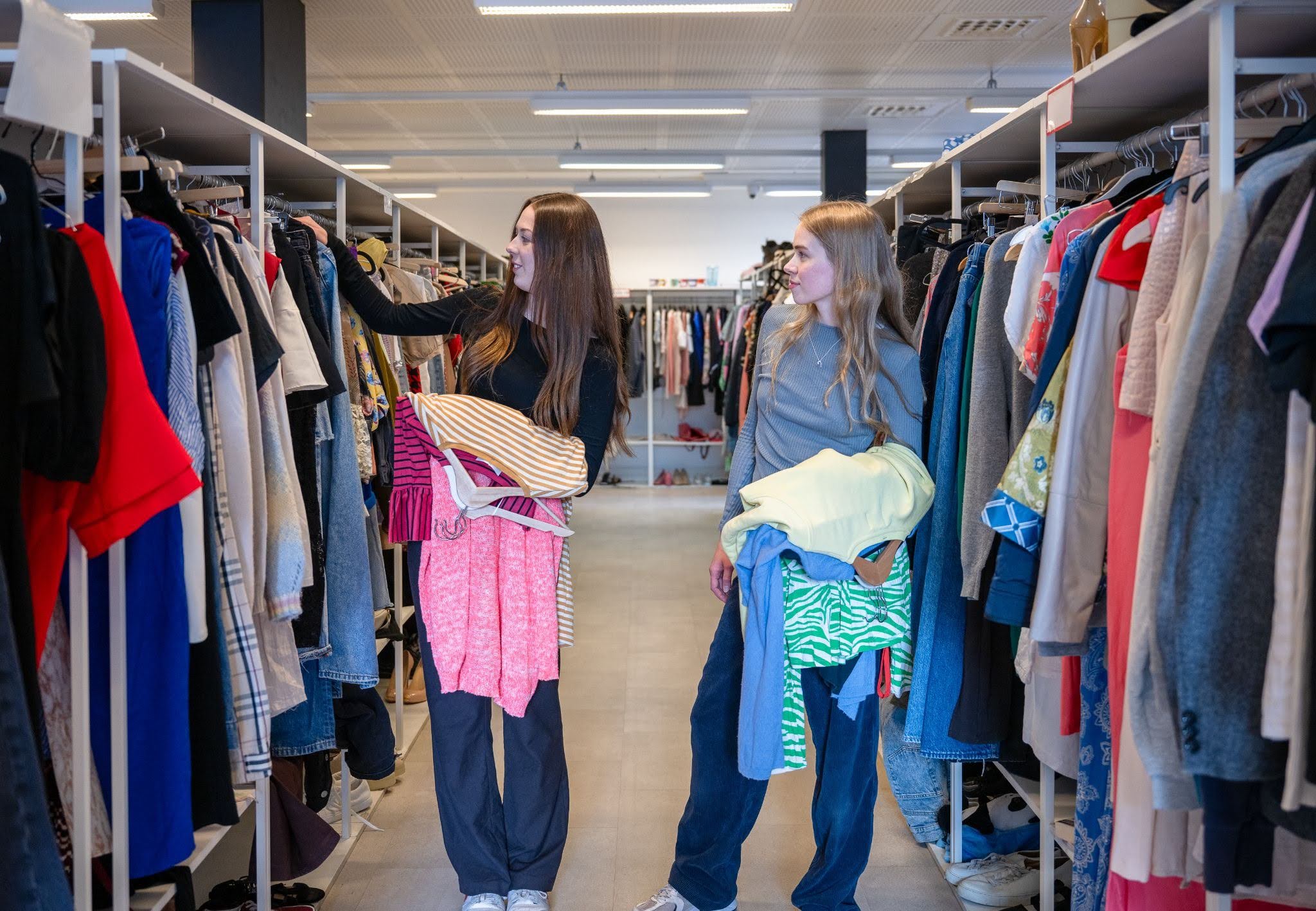
How to Thrift Like a Pro
Thrift shopping has grown in popularity across generations as more people look for affordable, unique, and sustainable ways to shop. From Gen Z trendsetters to longtime treasure hunters, shoppers are discovering that knowing how to thrift opens the door to quality finds, personal style, and meaningful savings. The appeal goes beyond price. Thrifting offers individuality, creativity, and a way to participate in sustainable shopping that keeps usable items out of landfills.
Learning how to thrift shop successfully is a skill that improves with preparation, patience, and practice. The more you understand how to shop at thrift stores, the easier it becomes to spot hidden gems, recognize quality, and make confident decisions. Whether you are searching for everyday clothing, vintage décor, or specialty pieces, thrifting rewards those who take the time to learn the process.
If you are new to thrifting, it helps to start with the basics, including understanding what a thrift store is and how secondhand shopping supports sustainability. Many shoppers are surprised to learn how closely thrifting connects to broader environmental goals. For a deeper look at how reuse supports responsible fashion, we also invite you to explore what sustainable fashion means and how everyday choices make a difference.
How to Thrift: A Beginner-Friendly Overview
For beginners, learning how to thrift means understanding that thrift shopping is different from traditional retail. Inventory changes daily, sizing varies by brand and era, and quality can range widely. Instead of browsing for one specific item on a rack of identical pieces, thrifting requires a more flexible and observant approach. The good news is that once you understand the process, it becomes both rewarding and enjoyable.
At its core, how to thrift follows a simple, repeatable process:
- Prepare before you go by setting a budget and making a short list of what you need
- Inspect items carefully by checking fabric, stitching, hardware, and overall condition
- Be patient since inventory changes often and the best finds take time
- Shop intentionally by choosing pieces you will truly wear, use, or resell
This step-by-step approach helps beginners feel confident and prevents overwhelm. Thrifting becomes much easier when you treat it like a skill rather than a random shopping trip.
Budgeting plays an important role in how to thrift shop responsibly. Setting spending limits helps prevent overbuying just because prices are low. Thrifting is most successful when it is purposeful rather than reactive. Thoughtful decisions create better wardrobes, homes, and resale opportunities.
Most importantly, shopping secondhand supports sustainability. Choosing pre-owned items extends the life of usable goods and reduces demand for new production. By learning how to thrift and shop intentionally, you not only improve your chances of finding quality pieces, you also participate in sustainable shopping that benefits both the environment and the local community.
Thrift Shopping Ideas to Plan Your Trip
Preparation plays a major role in learning how to thrift successfully. Unlike traditional retail, thrift stores do not organize inventory around predictable collections or consistent sizing. That is why having a plan before you walk in can make the difference between feeling overwhelmed and leaving with thoughtful, high-quality finds. These thrift shopping ideas help you approach each visit with purpose and confidence.
Start by making a list based on your personal style and real needs. If you are focused on how to thrift clothes, consider what gaps exist in your wardrobe, such as layering pieces, workwear, or seasonal items. If you are browsing for décor or furniture, outline specific rooms or projects in mind. Clear goals reduce impulse purchases and support sustainable shopping habits.
Setting a clear budget before entering the store is another essential step in how to thrift shop responsibly. Low prices can make it tempting to buy more than you need. A defined spending limit encourages thoughtful decision-making and helps ensure you leave with items that truly add value.
Comfort and convenience also matter. Wear comfortable clothing that allows for easy try-ons, especially when fitting rooms are limited or busy. Bringing small essentials like hand sanitizer, reusable shopping bags, and basic measurements for furniture or room dimensions can prevent missed opportunities. These simple thrift hacks make the process smoother and more efficient.
For shoppers who enjoy a structured approach, consider using a thrift store scavenger hunt to stay focused. Turning your trip into a goal-driven experience keeps you intentional while still allowing room for creativity and surprise finds. With preparation and practice, how to thrift becomes a repeatable strategy rather than a guessing game.
How to Shop at Thrift Stores Like a Pro
Learning how to shop at thrift stores strategically can transform your experience from casual browsing to confident treasure hunting. Inventory moves quickly, and the best items are not always placed at eye level. When you understand how to thrift with intention, you begin to see opportunities others might miss.
Start by scanning the top racks, bottom shelves, and back corners of each section. High-quality or valuable pieces are sometimes overlooked simply because they are not displayed prominently. Checking behind rows of clothing or digging gently through shelves can reveal standout thrift store findings that other shoppers passed by.
It also helps to explore every department, not just clothing. Many shoppers focus on apparel, but furniture, housewares, books, décor, and accessories often hold some of the most valuable and unique pieces. Expanding your search improves your odds and strengthens your overall approach to how to thrift shop effectively.
Shopping across seasons is another smart strategy. Winter coats often cost less during warmer months, and summer pieces may be marked lower in colder seasons. Staying open-minded about timing can help you secure better deals and uncover hidden gems that others are not currently seeking.
Above all, patience matters. Not every trip will result in a major find, but consistency pays off over time. The more you practice how to thrift, the more confident you become in spotting quality and potential.
When you are ready to put these strategies into action, we invite you to shop at Goodwill Middle Tennessee. Our stores offer affordable, constantly rotating inventory that supports sustainable shopping while funding local job training and workforce programs.
Tips for Thrifting High-Quality Pieces
One of the most important parts of learning how to thrift is developing an eye for quality. While thrift stores offer incredible variety, not every item is worth bringing home. Knowing what to inspect helps you separate long-lasting pieces from items that may wear out quickly.
Start with fabric and construction. Check stitching, seams, and hems to make sure they are straight and secure. Tug gently at seams to see if threads feel loose or fragile. Quality garments often have reinforced stitching and neatly finished interiors.
Fabric choice matters when figuring out how to thrift clothes that will stand the test of time. Natural fibers such as cotton, linen, wool, and silk typically last longer and age better than many synthetic blends. They breathe more easily, feel better against the skin, and often show wear in more manageable ways. When in doubt, check the tag to understand what you are buying.
A simple smell test is another helpful step in how to thrift shop responsibly. Avoid items with strong smoky, musty, or heavily perfumed odors, since these can be difficult to remove completely. While some scents fade after washing, others may linger even after multiple cleanings.
Always inspect functional details before purchasing. Test zippers, check that buttons and snaps are secure, and examine linings for tears or stains. Small issues can sometimes be repaired, but major damage may reduce long-term value.
Finally, remember that care plays a big role in preserving your thrift store findings. Proper cleaning and maintenance extend the life of high-quality pieces. For specialty items such as leather jackets, following the right cleaning approach helps protect both appearance and durability. Developing these habits ensures your best finds remain wearable and valuable for years to come.
How to Thrift Clothes Successfully
Learning how to thrift clothes successfully comes down to three key factors: fit, condition, and versatility. Unlike traditional retail, thrift stores often carry mixed brands, decades, and sizing standards. That means you cannot rely on the tag alone. Instead, focus on how the piece feels, how it drapes, and whether it fits into multiple outfits you already own.
When fitting rooms are unavailable or limited, get creative. Hold garments up to your body in front of a mirror to estimate length and overall silhouette. Compare waistbands or shoulders to items you are currently wearing. These small adjustments make a big difference when figuring out how to thrift shop efficiently without trying everything on.
It also helps to shop across gender sections. Many oversized sweaters, denim pieces, and structured jackets can be found outside your usual department. Exploring different sections expands your options and increases the chances of finding unique styles and better fits.
How to Thrift Baggy Jeans
If you are wondering how to thrift baggy jeans, start by checking the men’s section. Relaxed and vintage cuts are often easier to find there, especially older denim styles that naturally fit looser through the leg.
Look for durable denim with strong seams and sturdy waistbands. High-quality denim feels heavier and holds its structure better over time. Pay attention to stitching around pockets and belt loops, since these areas show wear first.
When try-ons are not possible, use simple tricks to test fit. Wrap the waistband around your neck to estimate waist size, or compare the jeans to a pair that already fits you well.
How to Thrift Furniture and Home Items
Learning how to thrift extends beyond clothing. Furniture and home décor can offer some of the most rewarding thrift store findings, especially when you know how to spot quality. Unlike mass-produced pieces from big-box retailers, many secondhand furniture items were built to last. The key is knowing what to examine before bringing something home.
Start by evaluating weight and materials. Solid wood pieces tend to feel heavier and sturdier than particleboard or laminate furniture. If a dresser or table feels lightweight and hollow, it may not hold up long-term. Check joints and construction details as well. Dovetail joints, reinforced corners, and smooth drawer movement are signs of better craftsmanship.
Whenever possible, choose solid wood over particleboard. Solid wood can be refinished, sanded, stained, or painted, giving it new life even if the surface shows wear. Particleboard, on the other hand, often swells or weakens over time and is more difficult to repair.
One of the best parts of learning how to shop at thrift stores for home items is recognizing repurposing potential. A simple bookshelf can become a statement piece with paint and new hardware. A vintage cabinet can serve as bathroom storage or a media console. Seeing beyond the current finish or color opens the door to affordable DIY transformations.
Thrifting furniture supports sustainable shopping by keeping large items out of landfills while offering budget-friendly ways to personalize your space. With patience and attention to detail, how to thrift furniture becomes a creative and practical skill that pays off long after your visit.
Thrift Hacks That Save Money and Time
Learning a few simple thrift hacks can make a big difference in how to thrift efficiently. Smart timing, awareness of store systems, and intentional habits help you save both money and time while increasing your chances of finding quality items.
Many thrift stores use color tag systems to indicate weekly discounts or rotating sale categories. Paying attention to these tags can help you spot additional savings beyond already affordable prices. If you want to maximize value while learning how to thrift shop strategically, ask store associates about current promotions or discount schedules.
Shopping on weekdays can also improve your experience. Stores are often less crowded, which makes it easier to browse carefully and inspect items thoroughly. Midweek visits may also coincide with restocks, giving you early access to new thrift store findings before peak weekend traffic.
Another helpful thrift hack is donating before shopping. Clearing out items you no longer use helps you stay intentional about what you bring home. It reduces clutter, reinforces sustainable shopping habits, and supports the circular nature of thrifting.
Off-season shopping is another practical strategy. Winter coats are often easier to find and more affordable during warmer months, while summer apparel may be marked down during colder seasons. Thinking ahead gives you better selection and stronger value.
When you choose to donate to Goodwill Middle Tennessee, you help keep quality items circulating in our community. Donations extend the life of usable goods and fund local job training, education, and workforce programs. By giving before you shop, you strengthen the cycle of reuse while supporting meaningful local impact.
How to Thrift and Resell for Profit
For some shoppers, learning how to thrift and resell creates an opportunity for extra income. With the right strategy, secondhand finds can become profitable listings. The key is being selective and informed rather than buying based on impulse.
Before purchasing, research comparable resale prices to understand demand and realistic margins. Focus on high-quality brands, collectible items, or categories with consistent interest. Once purchased, clean and repair items as needed to increase value. Clear photographs and accurate descriptions also make a significant difference when listing products for resale.
With patience and smart selection, how to thrift can become both a creative outlet and a practical side income stream.
Thrifting Success Tips for Better Finds
Consistency is one of the most effective tips for thrifting. Visiting stores regularly increases your chances of spotting new arrivals before they are purchased. Inventory changes often, so persistence pays off.
Learning store restock patterns and identifying the best shopping times can also improve your results. Quieter hours make it easier to browse carefully and inspect items thoroughly.
Goodwill Middle Tennessee Helping You Find the Best Thrift Store Treasures
At Goodwill Middle Tennessee, learning how to thrift is about more than scoring great deals. Every visit supports a mission rooted in opportunity, dignity, and local impact. When you shop with us, you help extend the life of quality items while funding programs that change lives through education, training, and employment across Middle and West Tennessee.
Thrifting at Goodwill turns everyday purchases into meaningful action. The skills you develop while learning how to thrift shop, from spotting quality to shopping intentionally, also support sustainable shopping that keeps usable goods in circulation and reduces waste.
Why Shop at Goodwill Middle Tennessee
Shopping with us means discovering:
- Constantly changing inventory with new items added daily
- Affordable prices on quality, vintage, and unique finds
- Purchases that directly support job training and community programs
There are many ways to deepen your impact beyond shopping:
- Make a difference through volunteering with Goodwill Middle Tennessee
- Explore career pathways by viewing current job openings
- Build valuable, job-ready skills through our training programs
When you choose to thrift with us, you strengthen your community while building a more sustainable future.

No Comments