

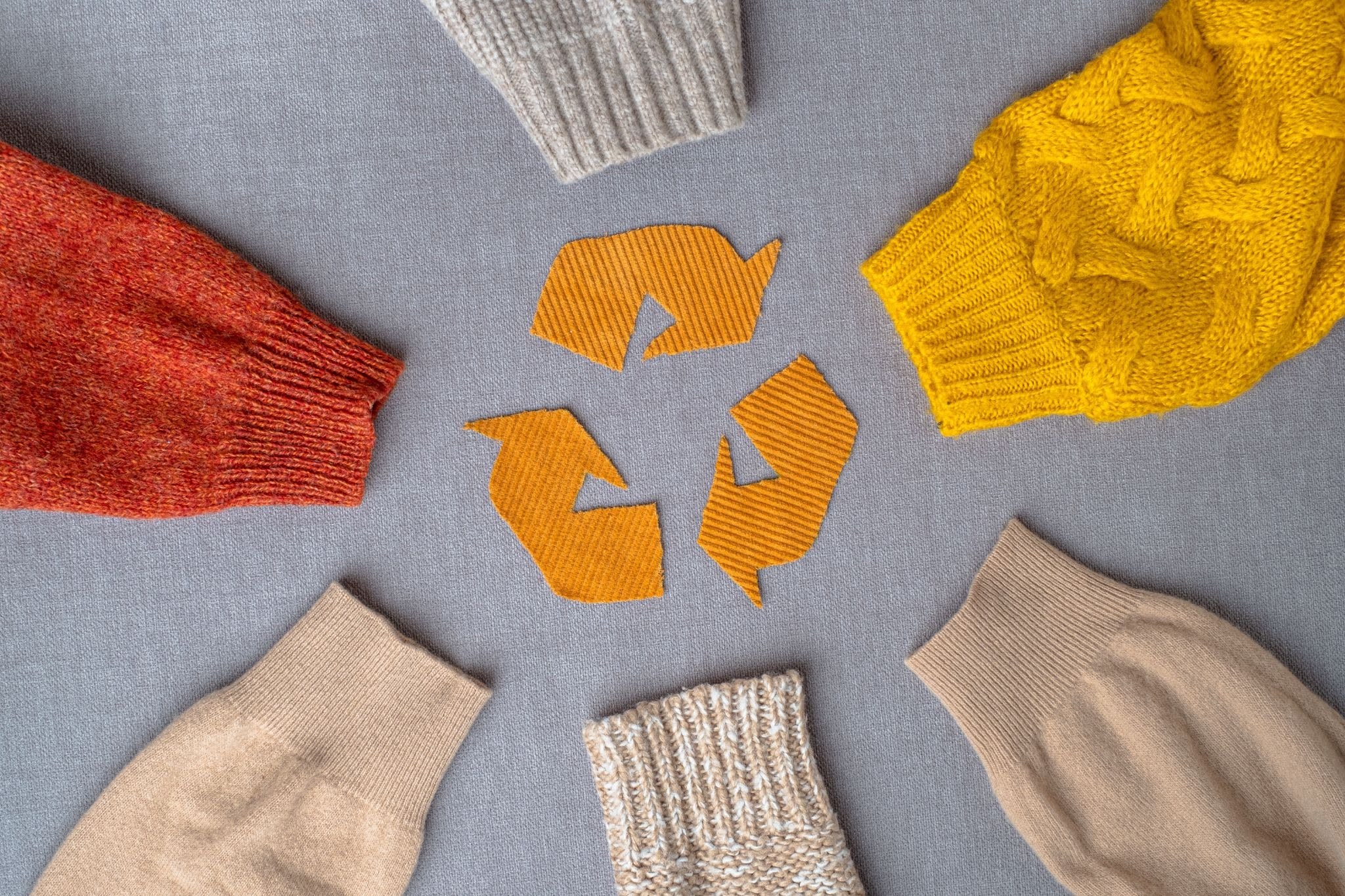
What Is Sustainable Fashion?
Sustainable fashion is a growing movement centered on making thoughtful clothing choices that reduce waste, support ethical practices, and consider long-term impact. When people ask “what is sustainable fashion?”, they are often looking for ways to align everyday shopping with values like environmental responsibility, fair labor, and mindful consumption. As interest in fashion and sustainability continues to rise, more consumers are rethinking how their clothes are made, used, and reused.
At Goodwill Middle Tennessee, we help make sustainable fashion accessible and practical through secondhand shopping that benefits both people and the planet. By choosing pre-owned clothing, shoppers extend the life of quality items, reduce unnecessary waste, and directly support local job training and employment programs across Middle and West Tennessee. Sustainable fashion is not just about materials or trends; it is about creating opportunity, protecting resources, and building a stronger community through everyday actions.
Understanding Sustainable Fashion and Its Core Concepts
Sustainable fashion focuses on reducing the environmental and social impact of clothing across its entire lifecycle, from how garments are made to how they are used and reused. The meaning of sustainable fashion goes beyond clothing trends and emphasizes responsible materials, ethical production, and environmental care, while supporting fair labor practices, safe working conditions, and transparent supply chains. This approach encourages more thoughtful consumption that benefits people, communities, and natural resources over the long term.
A key part of sustainable fashion is circularity. Repairing, reusing, and recycling clothing helps keep items in use longer and reduces unnecessary waste. Secondhand shopping naturally supports this cycle by extending the life of quality garments and lowering demand for new production. Through sustainable shopping, individuals can build more responsible habits while supporting local jobs and community impact.
The Principles Behind Sustainable Fashion
The sustainable fashion definition goes beyond clothing made from eco-friendly fabrics. It reflects a broader commitment to environmental care and social responsibility across the fashion industry. When people ask what sustainable fashion is and why it’s important, the answer often lies in how it prioritizes long-term wellbeing over speed and excess.
Unlike fast fashion, which emphasizes rapid production and low-cost turnover, sustainable fashion focuses on durability, responsible sourcing, and ethical treatment of workers. This shift supports healthier ecosystems, stronger communities, and more intentional consumption. Fashion and sustainability come together when clothing choices are guided by impact rather than impulse.
What Makes Clothing Sustainable?
Sustainable clothing is defined by how garments are made, used, and maintained over time. When people ask what sustainable clothing is, they are usually referring to apparel created with lower environmental impact, ethical production practices, and longer-lasting quality. Eco-friendly fabrics like organic cotton, linen, hemp, and recycled fibers are commonly part of sustainable fashion because they reduce resource use or repurpose existing materials. Many sustainable producers also rely on renewable energy and use low-impact dyes or safer chemicals to limit pollution and protect surrounding communities.
Longevity is just as important as production methods. Clothing that is well-made and worn longer has a lower overall impact than items designed for short-term use. Secondhand shopping strengthens this approach by keeping garments in circulation and reducing the need for new manufacturing. For many shoppers, understanding what a thrift store is highlights how accessible and practical sustainable fashion can be in everyday life.
Why Is Sustainable Fashion Important?
Understanding why sustainable fashion is important starts with recognizing its far-reaching impact. The fashion industry affects the environment, global labor systems, and local economies, making sustainability an urgent priority. Sustainable fashion offers a way to reduce harm while creating more responsible systems that value people, resources, and long-term outcomes. When consumers choose mindful alternatives, including secondhand shopping, they help shift the industry toward practices that benefit both communities and the planet.
Environmental Benefits
One of the clearest answers to how sustainable fashion helps the environment is its ability to reduce waste and conserve resources. Sustainable fashion lowers water use, limits pollution, and minimizes landfill waste by prioritizing durability and reuse. Materials that are sustainably grown or recycled require fewer raw resources and reduce pressure on natural ecosystems.
By extending the life of clothing through reuse and repair, sustainable fashion also helps lower carbon emissions tied to manufacturing and transportation. This circular approach encourages people to reduce consumption, reuse what already exists, repair items when possible, and recycle responsibly. Choosing to shop secondhand is one of the simplest ways to support this model while keeping quality clothing in circulation.
Social Benefits
Sustainable fashion supports ethical labor practices that protect workers throughout the supply chain. This includes fair wages, safe working conditions, and greater transparency around how and where clothing is produced. In contrast to many fast fashion systems, which rely on low-cost labor and limited oversight, sustainable fashion places human dignity and accountability at the center of production.
By supporting more responsible brands and secondhand retailers, consumers help reduce exploitation and encourage higher standards across the industry.
Consumer Benefits
Sustainable fashion also offers clear benefits for individuals. Clothing designed to last longer often delivers better quality and value over time. Buying secondhand or repairing garments can lead to meaningful cost savings while reducing the need for frequent replacements.
Learning how to care for pre-owned clothing further extends its lifespan. Simple habits like knowing how to wash thrifted clothes or how to clean a thrifted leather jacket help protect quality pieces and make sustainable choices easier to maintain.
Key Principles of Fashion and Sustainability
Fashion and sustainability are guided by a set of core principles that shape how clothing is designed, produced, used, and reused. These principles focus on reducing environmental impact, supporting ethical labor, and keeping products in circulation longer. Together, they form the foundation of sustainable fashion and help explain how everyday choices can create meaningful change.
1. Sustainable Materials
Sustainable fashion prioritizes materials that are less harmful to the environment and safer for people. This includes organic, recycled, biodegradable, and regenerative fibers that require fewer resources to produce or help restore natural systems. Fabrics like organic cotton, recycled polyester, and responsibly sourced wood-based fibers are common examples.
Certifications can also play a role in identifying better material practices. Standards such as GOTS, FSC, and Oeko-Tex help verify responsible sourcing, safer chemical use, and environmental care. While no single material is perfect, choosing garments made with these considerations reduces overall impact.
2. Ethical Production
Ethical production centers on how people are treated throughout the fashion supply chain. Sustainable fashion supports fair wages, safe working conditions, and transparent sourcing practices that hold manufacturers accountable. Respect for workers and communities is essential to creating clothing systems rooted in dignity rather than exploitation.
Transparency helps ensure that brands take responsibility for their production processes. When companies commit to ethical standards, they contribute to healthier workplaces and more stable livelihoods for the people behind the clothes we wear.
3. Circular Fashion
Circular fashion focuses on keeping products in use for as long as possible. Reuse, repair, upcycling, and recycling all help reduce the volume of clothing sent to landfills while lowering demand for new production. Extending a product’s lifecycle is one of the most effective ways to reduce fashion-related waste.
Secondhand shopping plays a major role in this system. Whether someone is learning how to thrift furniture for their home or creating unique Halloween costumes from pre-owned items, these choices support circular fashion in practical, creative ways. By choosing reuse over disposal, shoppers help close the loop and make sustainability part of everyday life.
How Sustainable Fashion Differs From Fast Fashion
Sustainable fashion and fast fashion represent two very different approaches to clothing. While fast fashion prioritizes speed, low cost, and constant trend turnover, sustainable fashion focuses on long-term value, responsible production, and reduced impact. Understanding these differences helps explain why sustainable choices matter and how they support healthier systems for people and the planet.
Materials & Production
Sustainable fashion emphasizes quality materials designed to last. Natural, recycled, or responsibly sourced fabrics are chosen for durability and lower environmental impact, rather than cheap synthetics made for short-term use. Production methods also differ significantly.
Sustainable fashion relies on safer, non-toxic dyes and cleaner manufacturing processes that reduce pollution and protect workers and nearby communities. Fast fashion often depends on intensive chemical treatments and high-volume production, which can lead to excessive waste and environmental harm.
Product Lifecycle
One of the clearest contrasts is how clothing is meant to be used. Sustainable fashion follows a circular model that encourages reuse, repair, and recycling so garments stay in circulation longer. This approach reduces waste and lowers demand for constant new production.
Fast fashion follows a linear cycle of making, using briefly, and discarding. Clothing is often designed to wear out quickly or fall out of trend, leading to frequent disposal. Sustainable fashion instead values longevity, repairability, and thoughtful reuse.
Impact on Communities & Workers
Sustainable fashion places people at the center of production. Ethical labor practices, fair wages, and safe working conditions are core priorities, supported by transparent supply chains that allow accountability.
Fast fashion supply chains are often hidden from view, making it easier for exploitative labor practices to persist. Environmental justice is also a concern, as communities near manufacturing centers can face pollution and health risks. Sustainable fashion seeks to reduce these harms by promoting responsible sourcing and protecting both workers and surrounding communities.
How to Embrace Sustainable Fashion in Daily Life
Sustainable fashion does not require a complete wardrobe overhaul. Small, practical changes can make a meaningful difference over time. By being more intentional with how clothing is purchased, cared for, and reused, anyone can begin building habits that support sustainability while still reflecting personal style and budget.
Buy Less, Choose Better
Choosing fewer items with better quality is one of the simplest ways to reduce fashion waste. Durable, timeless pieces tend to last longer and remain wearable across seasons. Natural fibers often hold up better over time, and secondhand clothing offers a way to access well-made garments without the environmental cost of new production.
Repair Before Replacing
Many clothing items can be kept in use with basic repairs. Sewing small tears, reinforcing loose seams, or replacing missing buttons and zippers can extend the life of a garment significantly. Proper cleaning and care also help maintain quality and appearance.
Before replacing an item, simple at-home fixes are often enough to restore functionality. These small efforts reduce waste and help make the most of what is already owned.
Buy Second-Hand
Buying secondhand is one of the most effective ways to support sustainable fashion. Reusing clothing keeps items out of landfills and reduces demand for new manufacturing, which lowers resource use and carbon emissions. Secondhand shopping also makes sustainable choices more affordable and opens access to unique, high-quality pieces.
Donation-based resale creates a cycle that benefits both the environment and the community. When shoppers choose pre-owned items, they help support local programs, job training, and employment opportunities. Choosing preloved clothing is an easy, impactful habit that aligns sustainability with real community impact.
Participate in the 7 R’s of Sustainable Fashion
The 7 R’s offer simple, practical ways to reduce waste and make fashion choices more sustainable in daily life:
- Reduce overall clothing consumption by buying only what is needed
- Reuse garments by wearing them longer or sharing with others
- Repurpose older clothing into new uses, such as cleaning rags or altered pieces
- Repair damaged items to extend their lifespan
- Recycle textiles responsibly when items are no longer wearable
- Rent clothing for short-term needs like special events
- Resell quality pieces to keep them in circulation and out of landfills
Together, these actions help lower resource use, reduce waste, and support a more responsible fashion system built around longevity rather than disposability.
Goodwill Middle Tennessee Supports Sustainable Fashion
At Goodwill Middle Tennessee, we support sustainable fashion by making reuse part of everyday life while investing directly in our community. Through donation-based thrift shopping, we help extend the life of clothing and household goods, keeping usable items out of landfills and reducing the need for new production. This circular approach benefits the environment while creating meaningful local impact across Middle and West Tennessee.
Every donated item and thrifted purchase helps fund our mission of changing lives through education, training, and employment. Revenue from our stores supports job training programs, career coaching, and workforce services that help people build skills, gain confidence, and move toward long-term employment. Sustainable fashion at Goodwill is not just about clothing; it is about opportunity, dignity, and access to pathways that strengthen individuals and families.
Community involvement plays a key role in this impact. Whether someone chooses to volunteer with Goodwill Middle Tennessee, explore job openings, or participate in our training programs, there are many ways to support sustainability while contributing to local workforce development. By shopping, donating, and getting involved, our community helps turn sustainable fashion into lasting positive change.

No Comments