

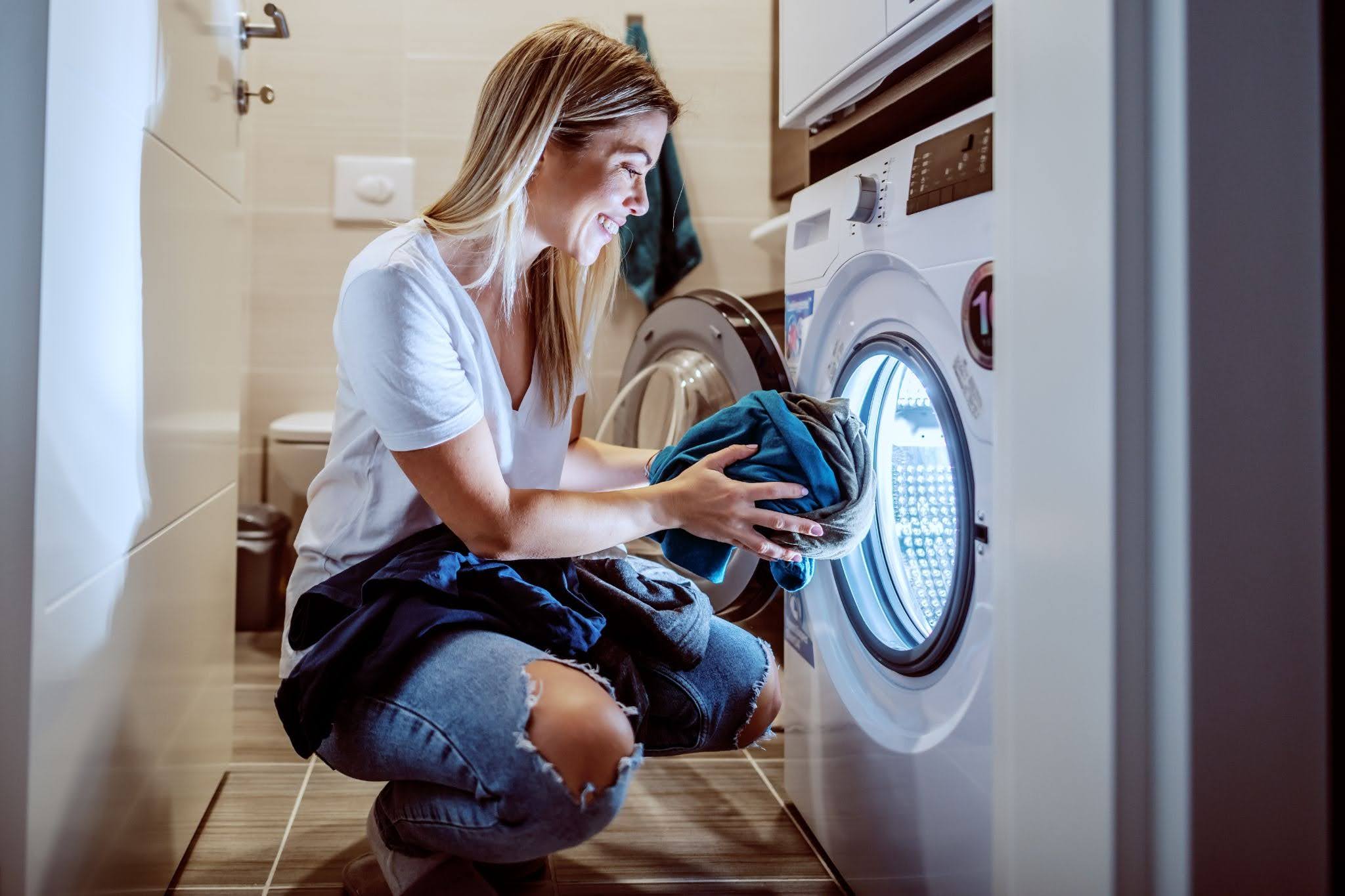
How to Wash Thrifted Clothes
Buying secondhand clothing is an easy way to save money, express your personal style, and support a more sustainable world. But before wearing any new-to-you piece, it’s essential to know how to wash thrifted clothes properly. Cleaning clothing removes dust, odors, and potential allergens while helping garments last longer.
At Goodwill Middle Tennessee, we make it simple to find quality, affordable clothing that fits every lifestyle and budget. Washing and caring for these items the right way not only protects your health and comfort but also extends the life of your wardrobe, reducing waste and promoting environmental responsibility.
In this guide, we’ll walk through how to clean clothes effectively, from sanitizing and stain removal to proper drying and storage. With these simple steps, you can enjoy fresh, clean, and ready-to-wear finds while supporting a mission that helps people and strengthens communities.
Why Washing Secondhand Clothes Matters
Washing secondhand clothes is an important step in keeping both you and your wardrobe fresh, clean, and healthy. Thrifted garments often go through many hands before reaching the store, and even well-kept pieces can collect dust, allergens, and other unseen contaminants during storage or transport.
Cleaning thrifted clothing removes:
- Allergens and bacteria that may linger from previous use
- Dust, pet dander, or mold spores that can cause irritation or odors
- Skin irritants or residues left from perfumes, detergents, or smoke
Learning how to wash thrifted clothes ensures that every item you bring home is safe, fresh, and ready to wear. When properly cleaned, secondhand clothes are just as hygienic and comfortable as new ones; sometimes even more durable and better made.
How to Prep Thrifted Clothes Before Washing
Before tossing your thrifted finds in the washer, take a few minutes to prepare them properly. This helps preserve delicate fabrics, protect colors, and ensure every item gets thoroughly cleaned.
Step-by-Step Prep Guide
- Read care labels to check for washing instructions or material details. Some vintage or handmade pieces may not have tags, so treat those with extra care.
- Turn clothes inside out to protect colors, prints, and embellishments during washing.
- Check seams, pockets, and closures for loose threads, coins, tissues, or other items that could damage the fabric or your washing machine.
- Pre-treat stains using a gentle stain remover or a solution of white vinegar and water. Apply with a soft cloth or sponge and let it sit for a few minutes before washing.
- Separate laundry loads by type and color. Wash delicates, whites, darks, and heavily soiled pieces separately to prevent damage or dye transfer.
Taking these steps before washing ensures your clothes come out looking clean, vibrant, and ready to wear.
Machine-Washing Clothes
Washing thrifted clothing is a simple process once you know what to look for on care labels and how to handle each type of fabric. Most everyday thrifted clothing can be safely cleaned in the washing machine with the right products and water temperature.
Everyday Machine-Washable Clothing
- Use gentle detergent to protect older or delicate fabrics.
- Wash at the warmest temperature safe for the fabric by checking the care tag. Warm or hot water helps eliminate bacteria and odors more effectively.
- Add white vinegar to the rinse cycle to help neutralize smells and kill lingering germs.
- Use an extra rinse cycle to fully remove soap residue, allergens, and disinfectant.
- Avoid mixing new thrifted clothes with regular laundry during the first wash in case of dyes or residues.
These steps help ensure your clothes are fresh, clean, and ready to wear right out of the wash.
Using Laundry Sanitizers or Vinegar
- Add ½ to 1 cup of white vinegar during the rinse cycle to naturally disinfect and soften fabrics.
- For added protection, consider using a laundry sanitizer, but always read the product label to confirm fabric safety.
- Avoid traditional fabric softeners, which can leave residue and irritate sensitive skin.
Learning how to clean thrifted clothes correctly gives every garment a fresh start and keeps your secondhand wardrobe both comfortable and hygienic.
Hand Washing Vintage or Delicate Items
Not all secondhand pieces belong in the washing machine. When caring for vintage fabrics, lace, silk, or items marked “hand wash only,” a gentle hand-cleaning approach works best.
When the Care Label Is Missing or Says Hand Wash Only
- Fill a basin or sink with cool or lukewarm water.
- Add a small amount of castile soap or mild detergent formulated for delicate fabrics.
- For extra sanitation, mix in a splash of white vinegar to help kill germs and neutralize odors.
- Submerge the garment and gently agitate the water with your hands for a few minutes.
- Rinse with fresh, clean water until it runs clear and no soap remains.
- Press out excess water by gently squeezing the fabric; avoid twisting or wringing, which can stretch or damage it.
This method is ideal for anyone learning how to clean second-hand clothes that require special care. Hand washing preserves texture and shape while still removing dirt, bacteria, and musty smells effectively.
Extra Sanitizing Methods for Thrifted Clothes
Even after a standard wash, some secondhand clothes can benefit from an extra layer of disinfection. These easy, affordable techniques help eliminate deep odors, kill bacteria, and refresh older fabrics safely.
Odor Removal and Disinfection Tips
- Soak clothes in a mixture of white vinegar and cold water for 30 to 60 minutes before washing to neutralize smells and bacteria.
- Use steam, either from a hand steamer or your dryer’s steam setting, to sanitize delicate fabrics that can’t handle high heat.
- Let clothes dry in natural sunlight, which helps disinfect and lift organic stains while freshening the fabric.
- Iron seams, collars, and cuffs after washing to provide one final level of sanitization.
These methods are especially useful for anyone learning how to disinfect thrift store clothes safely without harsh chemicals.
Steam Cleaning Delicate Items
- Fill a handheld steamer with distilled water to prevent mineral spots.
- Focus on seams, embellishments, collars, and cuffs where bacteria and odors often linger.
- Allow items to dry in sunlight or a ventilated space before storing or wearing.
Steam cleaning is a gentle yet effective solution for cleaning thrifted clothes that can’t go through a standard wash cycle.
Sanitizing in the Dryer
- Use a spray bottle to lightly mist clothing to release wrinkles or you could even add a damp cloth to the dryer with dry clothing to have a similar effect.
- Run a low-heat cycle to prevent shrinkage or fabric damage.
- Remove clothing promptly and hang to finish drying completely in fresh air.
Adding one or more of these sanitizing methods ensures your thrifted wardrobe is not only clean but also refreshed and ready to wear.
How to Air Dry Thrifted Clothes the Right Way
Air drying is one of the best ways to protect your secondhand finds and keep them looking new for longer. Knowing how to wash thrifted clothes is only half the process; how you dry them makes just as much of a difference.
Why Air Drying Is Best
- Prevents shrinkage by eliminating the high heat that can damage or tighten fabrics.
- Helps preserve delicate materials like silk, wool, and lace that are sensitive to machine drying.
- Allows for added odor removal, especially when clothes are dried in sunlight or fresh air.
For best results, hang your clothes in direct sunlight when possible, as UV rays naturally disinfect and brighten fabric. On cloudy days, use a breezy, well-ventilated room to speed up drying. Avoid leaving items in damp bathrooms or basements where mildew can form.
Proper air drying not only saves energy but also extends the lifespan of your clothes, keeping every thrifted piece fresh and ready to wear.
Final Tips for Caring for Thrifted Clothes
Once you’ve learned how to wash thrifted clothes, the next step is keeping them looking fresh and lasting as long as possible. With the right care habits, your secondhand wardrobe can stay comfortable, clean, and stylish for years.
How to Keep Clothes Feeling New
Refresh With Steam
A quick steam after each wear helps your clothes stay fresh and wrinkle-free without overwashing. Use a handheld garment steamer to release wrinkles, neutralize odors, and kill surface bacteria. Steaming also revives fabrics like silk, rayon, or wool that can lose their shape in the washer. It’s one of the easiest ways to keep your thrifted clothes looking freshly laundered while preserving their color and texture.
Use Essential Oils in Storage
Keep your clothes smelling pleasant and pest-free with natural scents. Add a few drops of lavender or eucalyptus essential oil to wool dryer balls or cotton pads, then place them in drawers or storage bins. These oils help prevent musty smells and naturally repel moths or insects. Refresh the oils occasionally to maintain a light, clean fragrance in your stored clothes.
Remove Pills and Lint
Thrifted knits and sweaters can develop small fuzz balls or lint over time. Use a fabric shaver or lint roller to remove them and restore a smooth, clean appearance. Regular upkeep keeps your clothes looking well cared for and extends their lifespan. Paying attention to small details like this helps your secondhand finds look as good as new.
Store Clothes the Right Way
Proper storage keeps your thrifted clothes in top condition between wears. Always store garments clean and completely dry in breathable fabric bags or bins to prevent mildew or odors. Avoid plastic containers or direct sunlight, which can trap moisture or cause fading. A cool, dry closet is ideal for maintaining freshness and fabric quality all year long.
These small habits make a big difference in maintaining your secondhand wardrobe and ensuring your efforts to wash thrifted clothes pay off over time.
Goodwill Middle Tennessee: Shop Sustainably, Wash Confidently
Buying secondhand clothing is not only a smart financial choice, it’s also a meaningful step toward building a more sustainable future. Every thrifted item you wash, restore, and wear keeps textiles out of landfills, conserves natural resources, and reduces the demand for fast fashion production. When you take the time to learn how to wash thrifted clothes the right way, you’re helping extend the life of quality garments while doing something good for the planet.
At Goodwill Middle Tennessee, we believe sustainability goes beyond clothing; it’s about creating opportunities for people to thrive. Every purchase, donation, and volunteer effort directly supports programs that provide job training, career development, and pathways to economic independence for individuals and families across our region. By shopping secondhand, you’re not just refreshing your wardrobe; you’re investing in your community.
Ways to Support the Goodwill Mission
- Donate to Goodwill Middle Tennessee to help fund local job training, career services, and education programs that make a measurable difference in people’s lives.
- Volunteer your time and skills to help others gain confidence, learn new abilities, and take meaningful steps toward employment.
- Explore job openings to become part of a mission-driven team dedicated to empowering individuals through the dignity of work.
When you choose to shop at Goodwill Middle Tennessee, you do more than find affordable, high-quality clothing; you become part of a cycle of good that benefits your community and the environment. With your help, we can make sustainable living a way of life and ensure every purchase makes a lasting impact.

No Comments