

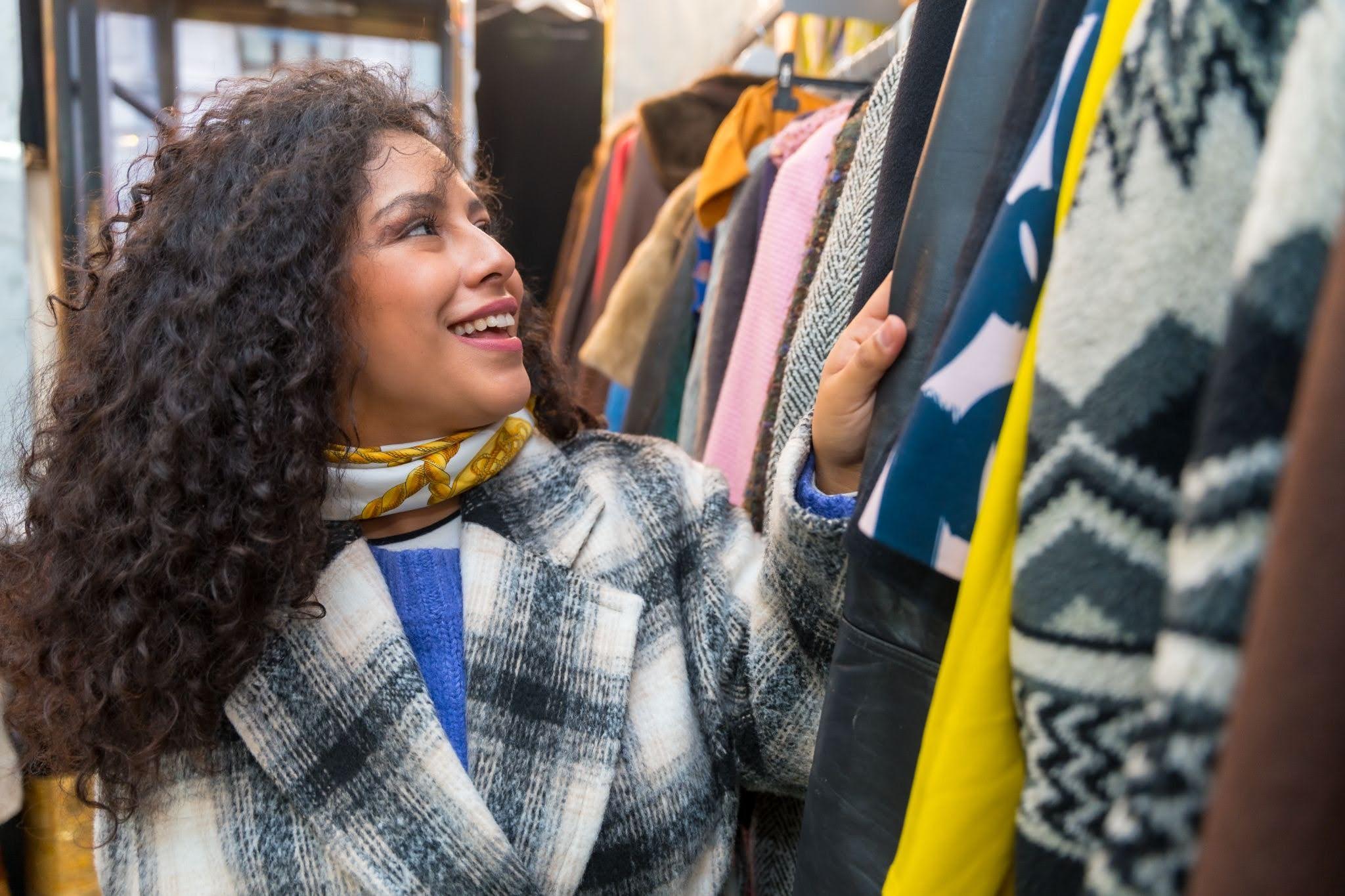
What Is Thrifting?
Thrifting is the practice of buying secondhand goods, such as clothing, furniture, and home décor, instead of purchasing new items. This reflects a growing shift toward more intentional shopping habits that prioritize value, reuse, and long-term impact. When people ask what thrifting is, they are often referring to a way of shopping that combines affordability, creativity, and sustainability.
Thrifting happens in a variety of places, including thrift stores, charity shops, flea markets, and garage or yard sales. At Goodwill Middle Tennessee, shoppers can explore a wide range of secondhand items by visiting our stores, where new inventory arrives daily through community donations.
For those new to secondhand shopping, understanding what thrift shopping is starts with knowing what a thrift store is. A thrift store sells secondhand or gently used goods at affordable prices, often relying on donated items, keeping usable items in circulation while supporting local programs.Thrifting allows shoppers to express individuality, find unique pieces, and participate in sustainable shopping that reduces waste.
For us, thrifting supports something bigger. Every purchase helps fund job training, education, and workforce development across local communities. In this guide, we will break down the full thrifting meaning, including what thrifted clothes are, how thrift shopping works, and how it connects to sustainability and responsible shopping habits.
Thrifting Definition and Meaning
The thrifting definition is simple, but its impact reaches far beyond the act of shopping. Thrifting means buying and using pre-owned items instead of purchasing new ones. This thrifting meaning reflects a shift toward more intentional consumption, where items are reused, repurposed, and kept in circulation longer.
At a practical level, thrifting helps individuals save money and access quality goods at lower prices. It allows shoppers to find clothing, furniture, and household items that may otherwise be out of reach at full retail cost. This makes thrifting an accessible option for people across different income levels, supporting both affordability and resourcefulness.
At the same time, thrifting has grown into a broader cultural movement. What was once seen primarily as a budget-driven necessity is now embraced as a lifestyle choice. Many people thrift to express individuality, discover vintage pieces, and step away from fast, disposable shopping habits. As more people learn what thrift shopping is, they begin to see it as a way to align their values with everyday decisions.
Thrifting also plays an important role in local economies. Donation-based stores, like Goodwill Middle Tennessee, rely on community participation to keep items circulating. These purchases directly support job training, education, and employment programs, creating a cycle where reuse leads to opportunity.
As this shift continues, learning how to thrift becomes an important skill. Understanding how to shop intentionally, evaluate quality, and make thoughtful purchases helps turn thrifting into a consistent and rewarding habit.
What Is Thrift Shopping?
Thrift shopping is the process of browsing and purchasing secondhand items that have been donated, rather than buying new products from traditional retail stores. This form of shopping focuses on reuse, affordability, and discovery, making it both practical and rewarding for a wide range of shoppers.
Unlike conventional stores, thrift shops do not carry identical items in multiple sizes or styles. Instead, inventory is constantly changing based on community donations. This means each visit offers something different, from everyday clothing and accessories to furniture, books, and home décor. For many people, this unpredictable selection is part of the appeal. It turns shopping into a more engaging experience where patience and attention can lead to valuable finds.
Understanding what thrift shopping is also means recognizing how it differs from typical retail habits. Shoppers often spend more time browsing, inspecting quality, and thinking creatively about how items can be used. Rather than searching for one exact product, thrift shopping encourages flexibility and openness to unexpected discoveries.
At Goodwill, thrift shopping is designed to be accessible and community-driven. Our stores receive new donations daily, which keeps inventory fresh and gives shoppers frequent opportunities to find quality items at affordable prices. Each purchase also supports local job training, education, and workforce programs, making thrifting a way to contribute to the community while meeting everyday needs.
If you are new to secondhand shopping, learning how to find the best thrift stores can help you identify locations with strong inventory and organization. You can also improve your experience by understanding the best days to thrift, which can give you access to newer items and a more relaxed shopping environment.
As more people explore thrifting, thrift shopping continues to grow as a long-term habit rather than a short-term trend. It offers a balance of value, creativity, and impact that fits naturally into everyday life.
What Are Thrifted Clothes?
Thrifted clothes are gently used garments that have been donated or resold instead of being purchased new. These items often come from individuals, retailers, or organizations and are made available through thrift stores, giving them a second life. Understanding what thrifted clothes are helps explain how these pieces move from one owner to the next while remaining useful and valuable.
Unlike new clothing, thrifted pieces can vary widely in age, brand, and condition. Shoppers may find everything from everyday basics like t-shirts and jeans to vintage items, designer labels, and discontinued styles that are no longer available in traditional retail stores. This variety is part of what makes thrift shopping both practical and exciting.
Thrifted clothes also reflect the history of how clothing has been made over time. Many older garments feature stronger stitching, thicker fabrics, and more durable construction than some modern fast fashion items. As a result, shoppers who understand the meaning of thrifting can often find pieces that offer better longevity and value.
Proper care plays a key role in maintaining thrifted clothing. Learning how to wash thrifted clothes helps remove odors, refresh fabrics, and extend the life of each item. For specialty pieces, it’s important to follow the right care methods. For example, knowing how to clean thrifted leather jackets helps preserve both appearance and durability.
By choosing thrifted clothes, shoppers not only save money but also contribute to a system of reuse that reduces waste and supports sustainable shopping. Over time, this approach helps build a wardrobe that is both cost-effective and more intentional.
Why Do People Go Thrifting?
People choose thrifting for a variety of reasons, but most come back to the same core benefits: value, creativity, and impact. Understanding what thrifting is helps explain why it appeals to so many different lifestyles. Whether someone is looking to save money, build a unique wardrobe, or shop more responsibly, thrifting offers a flexible and practical approach to everyday shopping.
For some, thrifting starts as a way to cut costs. For others, it becomes a long-term habit tied to personal style or sustainability. As more people explore what thrift shopping is, they begin to see it as more than just a budget option. It becomes a way to shop with intention while still enjoying the process.
Budget-Friendly Shopping
One of the most common reasons people thrift is to stretch their budget without lowering their standards. Thrifting allows shoppers to find high-quality items at a fraction of retail prices, making it easier to build a wardrobe or furnish a home without overspending.
Instead of sacrificing quality, many shoppers discover well-made pieces that last longer than newer, mass-produced alternatives. This is especially true for items like denim, outerwear, and furniture, which are often built with more durable materials. Over time, learning what thrifted clothes are and how to identify quality can lead to better long-term value with fewer replacements.
Thrifting also creates more flexibility. Saving money on everyday items allows shoppers to invest in pieces they truly value, rather than feeling limited by higher retail costs.
Unique Style and Individuality
Thrifting makes it easier to develop a personal style that feels authentic and unique. Because inventory is constantly changing, shoppers can find one-of-a-kind items that are not widely available in traditional stores. This includes vintage pieces, discontinued styles, and unexpected combinations that help create a more individualized look.
The process itself adds to the appeal. Many people enjoy the experience of searching through racks, comparing options, and uncovering hidden gems. This sense of discovery is a key part of the thrifting meaning, turning shopping into something more engaging and creative.
For a more interactive approach, try a thrift store scavenger hunt to make the experience even more rewarding. It adds structure while still allowing room for exploration, helping shoppers discover new styles, categories, and possibilities.
Sustainability and Conscious Consumerism
Thrifting also supports sustainable shopping by extending the life of clothing and reducing textile waste. Instead of items being discarded after limited use, they are reused and kept in circulation. This reduces the need for new production and helps conserve resources.
Choosing secondhand items is a practical way to take part in sustainability without making major lifestyle changes. It allows shoppers to align everyday decisions with broader environmental goals while still meeting their needs.
For a deeper understanding of how this connects to larger systems, you can explore what sustainable fashion really means and how it relates to everyday choices. You can also learn more about sustainable shopping practices and how small changes in buying habits contribute to long-term environmental benefits.
Thrifting vs. Secondhand: What’s the Difference?
Thrifting and secondhand are closely related, but they are not exactly the same. Thrifting typically refers to shopping at dedicated thrift stores or charity shops, where donated items are resold at affordable prices. When people ask what thrift shopping is, they are usually referring to this in-store experience of browsing secondhand goods in places like Goodwill.
Secondhand, on the other hand, is a broader term. It includes any used item that has had a previous owner, regardless of where or how it is purchased. This could include buying from online marketplaces, garage sales, consignment shops, or even receiving items from friends or family.
For example, shopping at a Goodwill store is considered thrifting. Buying a used couch from a neighbor or finding items on an online resale app would be considered secondhand, but not necessarily thrifting.
Understanding this distinction helps clarify the thrifting meaning while showing how both approaches support reuse, reduce waste, and extend the life of everyday items.
Is Thrifting Sustainable?
In many cases, yes. Thrifting supports sustainability by extending the life of existing items and reducing the need for new production. When people choose secondhand clothing, furniture, or household goods, they help keep usable items out of landfills and lower the demand for new resources.
Thrifting also reduces waste within the fashion and retail cycle. Instead of items being discarded after limited use, they are reused by new owners, which helps slow down overconsumption and unnecessary production. This is a key reason why thrifting is often connected to sustainable shopping and broader environmental goals.
However, thrifting is most sustainable when it’s done intentionally. Buying items simply because they are inexpensive can still lead to overconsumption. Thoughtful thrifting means choosing pieces you will actually use, wear, or keep long-term. When approached this way, thrifting becomes a practical and impactful way to support sustainability while making more mindful purchasing decisions.
How to Thrift Responsibly
Thrifting is most effective when it is done with intention. While secondhand shopping makes items more accessible, responsible thrifting means avoiding unnecessary purchases and focusing on what you truly need or will use long-term.
Choosing quality over quantity is a key part of this approach. Instead of buying multiple low-value items, search for well-made pieces that will last and fit into your daily life. Understanding what to look for in thrift stores can help you identify durable materials, strong construction, and items that offer long-term value. This mindset helps reduce clutter while increasing the value of each purchase.
Donating thoughtfully is just as important as buying intentionally. When you donate clean, usable items, you help ensure they can be resold and reused by others. This keeps the cycle of thrifting moving and supports the communities that rely on secondhand goods.
How Thrifting Fits Into Everyday Life
Thrifting is not just a trend. It is a practical habit that can become part of everyday life. As more people understand what thrifting is, they begin to see it as a long-term approach to shopping rather than a one-time experience. Whether you are updating your wardrobe, furnishing a space, or replacing everyday essentials, thrifting offers a consistent and flexible way to meet your needs.
In daily life, thrift shopping often becomes part of a routine. Instead of waiting for major shopping trips, many people make regular visits to their local store to check new inventory. This approach makes it easier to find quality items over time while avoiding unnecessary spending. Learning what thrift shopping means in practice involves becoming more intentional about when and why you buy.
Thrifting also helps people develop a stronger awareness of quality. As shoppers gain experience, they become better at recognizing durable materials, strong construction, and items that will last. This applies to everything from clothing to furniture. Over time, understanding what thrifted clothes are and how they are made can lead to better purchasing decisions and longer-lasting results.
Another way thrifting fits into everyday life is through care and maintenance. Instead of treating items as disposable, thrift shoppers often take steps to clean, repair, and preserve what they own. Simple habits, like proper washing or minor repairs, help extend the life of each item and increase its overall value.
As the thrifting meaning continues to evolve, it becomes less about occasional bargain hunting and more about building consistent, responsible habits. By incorporating thrifting into everyday routines, shoppers can reduce waste, save money, and make more thoughtful choices without sacrificing quality or style.
Goodwill Middle Tennessee and Thrifting With Purpose
For us, thrifting is about more than finding great deals. It’s a way to create real impact in local communities. When you shop with us, you help fund job training, education, and employment opportunities that support individuals working toward long-term stability and independence.
Every purchase contributes to programs that provide hands-on training, career development, and job placement support across Middle and West Tennessee. Thrifting becomes a way to turn everyday shopping into something meaningful, connecting reuse with opportunity.
If you want to take the next step, we encourage you to explore current job openings or learn more about our training programs. Whether you shop, work, or get involved, you are helping build a stronger community through thrifting with purpose.

No Comments